
What Are Veneers?
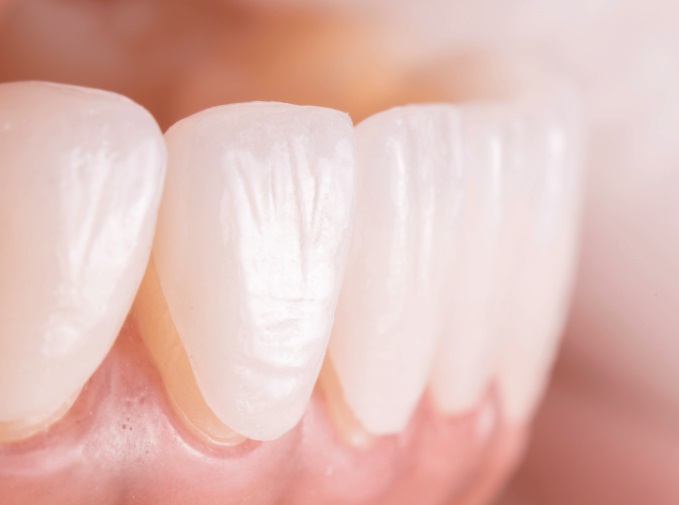
Veneers are one of the treatments people ask about when they want to change the appearance of their front teeth. This article explains what are veneers, the types available, what the procedure involves, and the risks and limitations you should weigh before deciding. What are Veneers? Dental veneers are thin shells of porcelain or composite resin custom-made to fit over the front surface of the teeth. They are used to change the appearance of teeth affected by discolouration, chips, gaps and minor irregularities in position. Veneers are a cosmetic treatment. They change how teeth look. They do not treat decay, gum disease or bite problems, and any such conditions need to be addressed before veneers are considered. IMPORTANT — most veneer treatment involves permanently removing a layer of enamel from the front of healthy teeth. Enamel does not grow back. Once teeth have been prepared for veneers, they will require veneers or crowns for the rest of your life, and the restorations will need replacing periodically. This is the single most important thing to understand before agreeing to treatment. Types of Veneers In cosmetic dentistry there are two main types, porcelain and composite. Each has advantages and drawbacks, and the appropriate choice depends on your teeth and what you want to change. Porcelain veneers Porcelain veneers Sydney are made in a dental laboratory and require more than one appointment. They are more resistant to staining than composite and generally more resistant to wear. Published estimates commonly put the lifespan of porcelain veneers at around 10 to 15 years, though this varies considerably with the individual, the bite, oral hygiene, and habits such as grinding. Some fail earlier. They are not permanent and will need replacing. Porcelain veneers generally require more enamel removal than composite. Where teeth are severely discoloured, a veneer may mask the discolouration, though heavily stained teeth can show through thin porcelain and may need a different approach. Composite veneers Composite veneers Sydney are made from resin applied directly to the tooth, often in a single visit. They cost less than porcelain and generally require less enamel removal, and in some limited cases none at all. Composite is more prone to staining, chipping and wear than porcelain, and typically has a shorter lifespan. It can usually be repaired or added to, which porcelain cannot. What veneers can and cannot do Veneers can change the colour, shape and surface appearance of the front teeth and can close small gaps. Where teeth are only slightly out of position, veneers may make them appear straighter. Veneers do not move teeth. Where teeth are significantly crowded or the bite is a problem, orthodontic treatment addresses the underlying position, and using veneers instead may mean removing a great deal more enamel than would otherwise be necessary. Your dentist should explain the alternatives, including orthodontics, whitening and composite bonding, and the reasons for recommending one over another. Veneers do not whiten the natural teeth around them, and their colour cannot be changed once they are made. If you are considering whitening, that is usually done before veneers are matched. The Procedure Initial consultation. Your cosmetic dentist Sydney examines your teeth, gums and bite and takes any necessary X-rays. The purpose is to establish whether veneers are appropriate and to discuss the alternatives. You should receive an explanation of the risks and a written quote. A layer of enamel is removed from the front of the teeth being treated. This step is irreversible. For porcelain veneers, an impression or digital scan is taken and sent to a laboratory, and temporary veneers may be fitted in the meantime. The teeth are cleaned and etched and the veneers are bonded in place, then adjusted and polished. Local anaesthetic may be used. Aftercare Oral hygiene Brush twice daily, floss daily and attend regular check-ups and teeth cleaning. The margin where a veneer meets the tooth is a site where decay can start, so hygiene around veneers matters. Avoid hard foods and habits Avoid biting hard objects such as ice, nuts and pen caps, and do not use your teeth as tools. If you grind or clench your teeth, tell your dentist. Grinding is a common cause of veneer failure and a nightguard may be recommended. Staining Porcelain resists staining better than composite, but the bonding margins of both can discolour over time. Limiting coffee, tea, red wine and tobacco helps. Risks and Limitations Veneers Sydney are an elective cosmetic treatment and carry risks that should be explained to you before you agree to proceed. These include: irreversible removal of enamel, meaning the teeth will need restorations permanently tooth sensitivity, which is common after preparation and is usually temporary but can persist irritation of the gums, and gum recession over time that can expose the veneer margin chipping, cracking or debonding of the veneer, requiring repair or replacement at further cost the possibility that a prepared tooth becomes symptomatic and requires root canal treatment or extraction colour that cannot be altered once the veneer is made, and that may not match adjacent natural teeth as those teeth age or stain a finite lifespan, with replacement needed periodically at ongoing cost Teeth veneers are not suitable for everyone. They are generally not appropriate where there is active decay or gum disease, insufficient enamel, significant grinding, or where the bite would place excessive force on them. Veneers at North Sydney Dentistry Our dentists provide both porcelain and composite veneers. All are registered with the Dental Board of Australia and their registration can be checked on the Ahpra public register. At your consultation we examine your teeth and gums, discuss what you want to change, explain the options available including those that involve less enamel removal, set out the risks, and provide a written quote. Where veneers are not appropriate for your case, we will tell you. If you would like to find out whether veneers are suitable for you, contact us to arrange
Invisalign Dentist
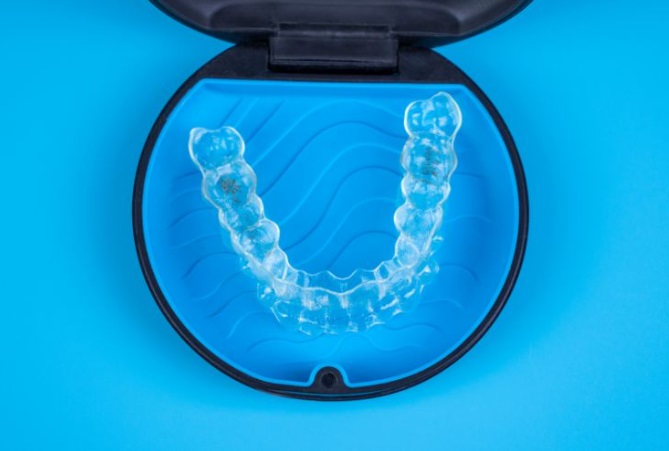
If you are considering straightening your teeth without fixed braces, clear aligners are one option to discuss with an Invisalign dentist. This article explains what clear aligner treatment involves, what it can and cannot do, and what to ask when choosing a practitioner. How clear aligner treatment works Invisalign is a clear aligner system. Instead of fixed brackets and wires, it uses a series of removable transparent aligners, custom-made from digital scans, which move teeth gradually into a planned position. Because the aligners are clear, they are less noticeable than metal appliances, which is one reason some adults prefer them. They are not invisible, and small attachments bonded to the teeth during treatment can be seen at close range. What clear aligners can offer Comfort: The aligners are smooth plastic with no brackets or wires. Most people experience pressure, tenderness or tooth sensitivity for a few days after changing to a new aligner, and some experience temporary irritation of the lips or tongue or a temporary effect on speech. Convenience: The aligners are removable, so there are fewer restrictions on food and drink. Teeth should be cleaned before the aligners are put back in. Range of use: Clear aligners can be used for a range of orthodontic problems including crowding, spacing and some bite corrections. They are not suitable for every case, and some tooth movements are more predictably achieved with fixed appliances. What treatment requires from you Clear aligners generally need to be worn 20 to 22 hours a day. Treatment depends on this. Where aligners are not worn as directed, teeth may not move as planned, treatment can take longer, and a revised plan or a change of approach may be needed. The Treatment Process Initial consultation. Your dentist examines your teeth and gums and discusses what you would like to achieve. This appointment establishes whether clear aligners are appropriate for your case. You should receive an explanation of the risks and a written quote. Treatment plan. A plan is prepared using 3D imaging and a sequence of aligners is manufactured. Any digital simulation you are shown is a projection based on the plan, not a guaranteed result. Wearing the aligners. Each aligner is generally worn for one to two weeks before moving to the next. Review appointments. You attend regular reviews so progress can be checked and the plan adjusted if teeth are not tracking as expected. Retainers are provided at the end of treatment and generally need to be worn long term, because teeth tend to move back towards their original positions. Clear aligner treatment at North Sydney Dentistry Our dentists provide clear aligner treatment as part of general dental practice. All are registered with the Dental Board of Australia, and you can check any practitioner’s registration and qualifications on the Ahpra public register. Invisalign provider status North Sydney Dentistry holds Invisalign Platinum Elite Provider status. This is a tier assigned by Align Technology, the manufacturer, based on the number of cases a practice treats. It is a commercial classification rather than an award, an accreditation, or an assessment of clinical quality by any regulator or professional body. Our approach Treatment planning is individual. We assess your teeth and gums, explain which options are appropriate for your case and why, set out the risks, and provide a written quote before treatment starts. Where clear aligners are not the right approach for your case, we will tell you that and discuss the alternatives. Risks and Considerations Orthodontic treatment carries risks. These can include discomfort and tooth sensitivity, gum irritation, decalcification or decay where oral hygiene is not maintained around attachments, shortening of tooth roots, gum recession, temporary changes to speech, and relapse if retainers are not worn as directed. Aligners can be lost or damaged and replacements are charged. Treatment may take longer than initially estimated. Results vary between individuals. No outcome can be guaranteed. Arranging an assessment If you would like to know whether clear aligner treatment is suitable for you, contact us to arrange a consultation. You will be examined, given an explanation of the options and their risks, and provided with a written quote before any treatment begins.
Teeth Veneers
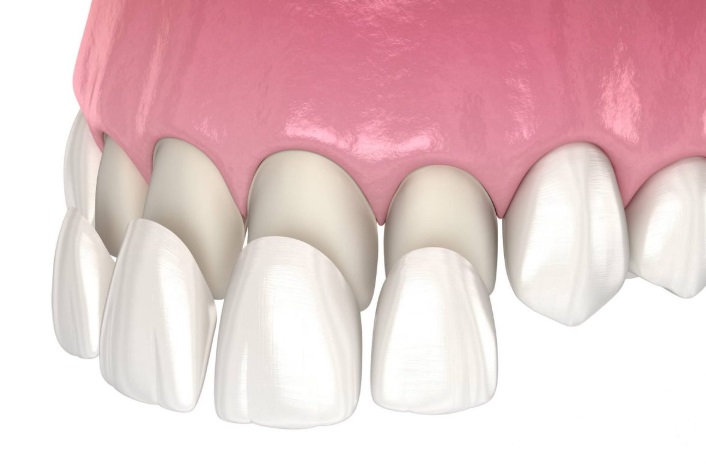
Veneers are a cosmetic dental treatment used to change the appearance of the front teeth. This article covers what they are, the two main types, what the procedure involves, the risks, and what to ask when choosing a practitioner. What are Teeth Veneers? Teeth veneers are thin, custom-made shells of porcelain or composite resin bonded to the front surface of the teeth to change their appearance. They are used for discolouration, chips, small gaps and minor irregularities in tooth position. Veneers are cosmetic. They do not treat decay, gum disease or bite problems, and those conditions need to be addressed first. IMPORTANT — most veneer treatment involves permanently removing a layer of enamel from the front of otherwise healthy teeth. Enamel does not grow back. Once teeth are prepared for veneers they will need veneers or crowns for life, and those restorations will need replacing periodically at ongoing cost. Understand this before agreeing to treatment. Why people consider veneers Dental porcelain veneers change the colour and shape of teeth in a small number of appointments, which is why some people prefer them to longer treatments. Porcelain is more resistant to staining than natural teeth or composite. Published estimates commonly put the lifespan of porcelain veneers at around 10 to 15 years, but this varies considerably with the individual, the bite, oral hygiene and habits such as grinding. Some fail earlier, and none are permanent. The preparation is less extensive than for a crown, but it is not minimal and it is not reversible. Local anaesthetic is commonly used, and sensitivity afterwards is common. Types of Teeth Veneers Porcelain Veneers Porcelain veneers are made in a dental laboratory to match the colour and shape agreed at planning. The process requires impressions or digital scans, at least two appointments, and temporary veneers in between. Porcelain is more resistant to staining and wear than composite, but it cannot be repaired if it chips. A damaged porcelain veneer generally has to be replaced. Composite Veneers Composite veneers are built up directly on the tooth from a tooth-coloured resin, often in a single visit. They cost less and generally require less removal of enamel, and in some limited cases none at all. Composite stains, chips and wears more readily than porcelain and generally has a shorter lifespan. It can usually be repaired or added to, which is an advantage over porcelain. The Application Process Your dentist examines your teeth, gums and bite, takes any necessary X-rays and discusses what you want to change. This appointment establishes whether veneers are appropriate and what the alternatives are. You should receive an explanation of the risks and a written quote. A layer of enamel is removed from the front of the teeth being treated. This step is irreversible. Impressions or scans are taken and sent to the laboratory for porcelain veneers. The veneers are tried in to check fit and colour, adjusted as needed, then bonded to the teeth. Colour is agreed before bonding, because it cannot be changed afterwards without remaking the veneer. What veneers can and cannot do Veneers change the appearance of the front surfaces of teeth. They do not move teeth. Where teeth are significantly crowded or rotated, or where the bite is the underlying problem, orthodontic treatment addresses the cause. Using veneers instead can mean removing considerably more enamel than would otherwise be needed. Veneers do not whiten adjacent natural teeth, and their colour does not change over time while natural teeth may darken. Where whitening is planned, it is usually done before veneer shades are matched. Results vary between individuals depending on the starting condition of the teeth, the bite, the amount of enamel available and the treatment plan. No outcome can be guaranteed. Maintenance Regular brushing, flossing and dental check-ups. The margin where a veneer meets the tooth is a site where decay can begin, so hygiene around veneers matters. Use a non-abrasive toothpaste and a soft-bristled brush. Avoid biting hard objects, and tell your dentist if you grind or clench your teeth. Grinding is a common cause of veneer failure and a nightguard may be recommended. Porcelain resists staining well, but the bonding margins of both porcelain and composite can discolour over time. Risks and Limitations Veneers are elective cosmetic dentistry treatment and carry risks that should be explained to you before you proceed: irreversible enamel removal, committing the teeth to restorations permanently tooth sensitivity, usually temporary but sometimes persistent gum irritation, and recession over time exposing the veneer margin chipping, cracking or debonding requiring repair or replacement at further cost the possibility that a prepared tooth requires root canal treatment or extraction colour that cannot be altered once made and may not match natural teeth as they age a finite lifespan requiring periodic replacement Veneers are generally not appropriate where there is active decay or gum disease, insufficient enamel, significant grinding, or a bite that would place excessive force on them. Choosing a Practitioner Registration and qualifications Check that the practitioner is registered with the Dental Board of Australia using the Ahpra public register. The register also shows whether a practitioner holds specialist registration. Discussion of alternatives A consultation should cover the alternatives to veneers, including orthodontic treatment, whitening and composite bonding, and why one is being recommended over another for your case. Written information You should receive a written quote setting out what is included, and a clear explanation of the risks, before agreeing to anything. Veneers at North Sydney Dentistry Our dentists provide both porcelain and composite veneers as part of general dental practice, using digital impressions and laboratory-fabricated restorations for porcelain work. At your consultation we examine your teeth and gums, discuss the options including those involving less enamel removal, explain the risks and provide a written quote. Where veneers are not appropriate for your case we will tell you. To find out whether veneers are suitable for you, contact us to arrange a consultation.
Invisalign Before and After
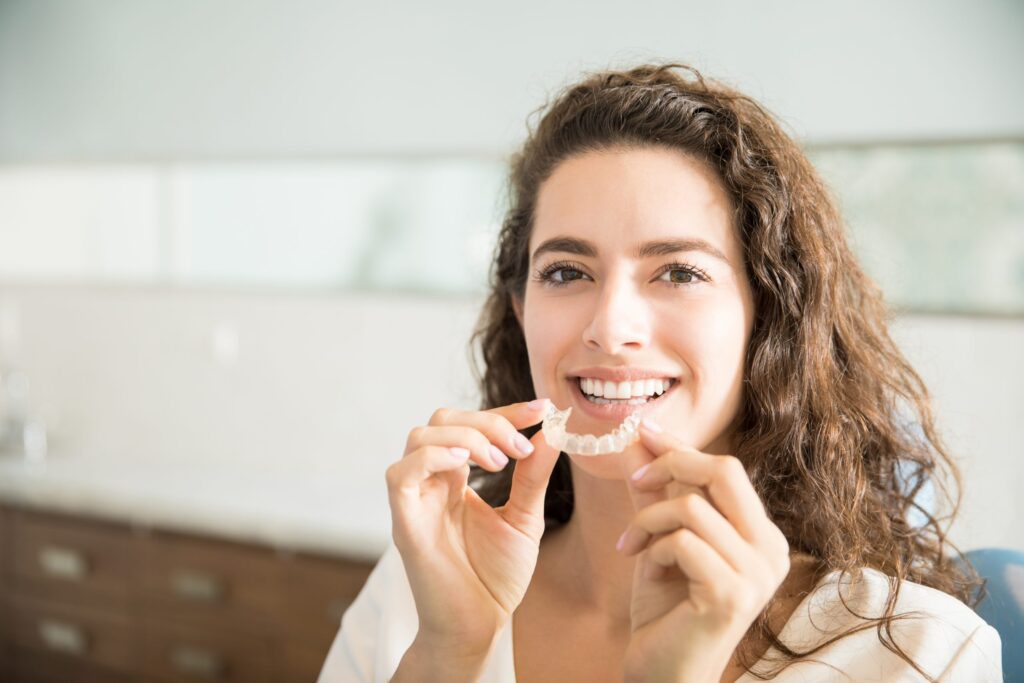
If you are considering straightening your teeth with clear aligners, it is reasonable to want to know what treatment can achieve. This article explains what the process involves, what determines the outcome, Invisalign before and after, and what its limitations are. Why people consider Clear Aligners Clear aligners are an alternative to fixed braces. Instead of brackets and wires, a series of removable transparent aligners is custom-made from digital scans of your teeth and worn in sequence to move them gradually into a planned position. Comfort The aligners are smooth plastic with no brackets or wires to rub against the lips and cheeks. Most people experience pressure, tenderness or tooth sensitivity for a few days after changing to a new aligner, and some experience temporary irritation of the tongue or gums or a temporary effect on speech. Appearance during treatment The aligners are less noticeable than metal appliances. They are not invisible, and the small attachments bonded to the teeth during treatment can be seen at close range. What they can treat Clear aligners are used for a range of orthodontic problems including crowding, spacing and some bite corrections. They are not suitable for every case. Some tooth movements and more complex bite corrections are more predictably achieved with fixed appliances. The Treatment Process Initial consultation. Your teeth, gums and bite are examined and your options discussed. This appointment determines whether clear aligners are appropriate for your case. Digital scans are taken to build a 3D model. You should receive an explanation of the risks and a written quote. Treatment plan. A plan is prepared from the 3D model, setting out the estimated duration and the planned sequence of tooth movements. Any digital simulation you are shown is a projection generated from the plan. It is a planning tool, not a guaranteed result, and the final outcome may differ. Receiving your aligners. You are given instructions on wearing and caring for the aligners. They generally need to be worn 20 to 22 hours a day, removed only for eating, drinking, brushing and flossing. Review appointments. You attend reviews, commonly every 6 to 8 weeks, so progress can be checked against the plan and adjustments made where teeth are not tracking as expected. Some cases require additional refinement aligners. Retainers are provided at the end of treatment and generally need to be worn long term. Teeth tend to move back towards their original positions if retainers are not worn as directed. What determines the result Outcomes vary between individuals. The result achievable in any case depends on the starting position of the teeth, the underlying bite and jaw relationship, the health of the teeth and supporting bone, the treatment plan, and how consistently the aligners are worn. Because aligners only apply force while they are being worn, wear time has a direct effect. Where aligners are not worn as directed, teeth may not move as planned, treatment can take longer, and a revised plan or a change of approach may be needed. Clear aligners address the position of teeth. They do not change the colour, shape or size of teeth, and they do not correct all skeletal or jaw discrepancies. Where those are a concern, other treatment would need to be discussed separately. No orthodontic outcome can be guaranteed, and results described or shown anywhere reflect individual cases rather than what any particular person will achieve. Clear aligner treatment at North Sydney Dentistry Provider status North Sydney Dentistry holds Invisalign Platinum Elite Provider status. This is a tier assigned by Align Technology, the manufacturer, based on the number of cases a practice treats. It is a commercial classification rather than an award, an accreditation, or an assessment of clinical quality by any regulator or professional body. Our practitioners Our dentists provide clear aligner treatment as part of general dental practice. All are registered with the Dental Board of Australia and their registration can be verified on the Ahpra public register. Treatment planning Plans are prepared individually after examination. Where clear aligners are not appropriate for a case, we will say so and discuss the alternatives. Risks and considerations Orthodontic treatment carries risks. These can include discomfort and tooth sensitivity, gum irritation, decalcification or decay where oral hygiene is not maintained around attachments, shortening of tooth roots, gum recession, temporary changes to speech, and relapse if retainers are not worn as directed. Aligners can be lost or damaged and replacements are charged. Treatment may take longer than initially estimated, and some cases require additional procedures or a change of appliance. These risks should be explained to you in full before you agree to treatment. Arranging an assessment If you would like to know whether clear aligner treatment is suitable for you and what it could achieve in your case, contact North Sydney Dentistry to arrange a consultation. You will be examined, given an explanation of the options and their risks, and provided with a written quote before treatment begins.
Cosmetic Dentistry Near Me
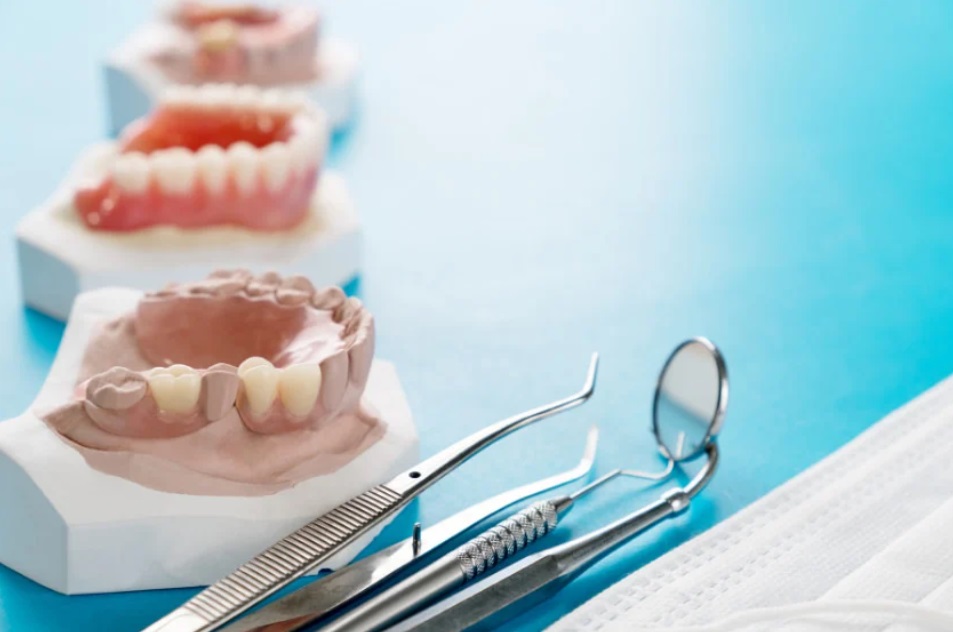
If you are looking into cosmetic dentistry near me in North Sydney, this article explains what the main treatments involve, what they can and cannot do, and what to check when choosing a practice. What cosmetic dentistry is Cosmetic dentistry covers treatments whose primary purpose is to change the appearance of the teeth rather than to treat disease. Some treatments, such as crowns, have both a functional and a cosmetic purpose. Cosmetic treatment does not replace general dental care. Decay, gum disease and bite problems need to be assessed and addressed before elective cosmetic work is considered, and any practice should examine you before proposing treatment. Cosmetic treatments are elective. They are worth taking time over, and it is reasonable to seek a second opinion before committing to anything irreversible. Choosing a Practice Check registration All dental practitioners in Australia must be registered with the Dental Board of Australia. You can check any practitioner’s registration and qualifications, and whether they hold specialist registration, on the Ahpra public register. This is a verifiable check rather than a marketing claim. Ask about alternatives A thorough consultation should set out the options for what you want to change, including those that remove less tooth structure, and explain why one is being recommended over another for your case. Ask what is irreversible Some cosmetic treatments permanently remove enamel. Ask directly which parts of a proposed plan cannot be undone. Get it in writing You should receive a written quote setting out what is included, and a clear explanation of the risks, before agreeing to treatment. Independent reviews Reviews on independent platforms can be one input among several. Bear in mind that Australian health practitioners are not permitted to publish patient testimonials about clinical care in their own advertising, so the absence of such content on a practice website reflects the law rather than the practice’s standard of care. Treatments offered at North Sydney Dentistry Dental Veneers Veneers are thin shells bonded to the front surface of the teeth to change their colour and shape and to close small gaps. Most veneer treatment permanently removes a layer of enamel, which means the teeth will require restorations for life and those restorations will need replacing periodically. Veneers do not move teeth and do not treat decay or gum disease. Teeth Whitening Professional whitening can lighten the natural teeth. Results vary with the cause of the discolouration and the starting shade, and some staining responds poorly. Whitening does not change the colour of crowns, veneers or fillings, so existing restorations may need replacing to match. Common side effects are tooth sensitivity and gum irritation, and the result fades over time. Dental Implants Implants are one option for replacing missing teeth. Placement requires surgery and adequate bone, treatment usually runs over several months, and success depends on healing, oral hygiene and factors such as smoking and general health. Implants can fail, and the restorations attached to them need maintenance and periodic replacement. Suitability is assessed individually. Invisalign Clear aligners are a removable alternative to fixed braces for moving teeth. They are less noticeable than metal appliances but not invisible, need to be worn 20 to 22 hours a day, and are not suitable for every case. Retainers are required afterwards, generally long term. Dental Crowns Crowns cover a damaged or weakened tooth to restore its shape and strength. Preparation involves removing tooth structure, and crowns have a finite lifespan and need replacing over time. Risks All cosmetic dental treatment carries risks, which vary by procedure. They can include tooth sensitivity, gum irritation and recession, damage to or loss of tooth structure that cannot be replaced, the need for further treatment such as root canal treatment, failure of a restoration, and the ongoing cost of maintenance and replacement. Results vary between individuals and no outcome can be guaranteed. The risks relevant to your case should be explained to you in full before you agree to treatment. Visiting us Our practice is at Level 1, Suite 102/71 Walker St, North Sydney NSW 2060, with public transport links and parking nearby. Our dentists are registered with the Dental Board of Australia. At your consultation we examine your teeth, gums and bite, discuss what you want to change, explain the options and their risks and provide a written quote. Where a treatment is not appropriate for your case, we will tell you. To arrange a consultation with a cosmetic dentist in Sydney, contact North Sydney Dentistry.
Dental Veneers Before and After
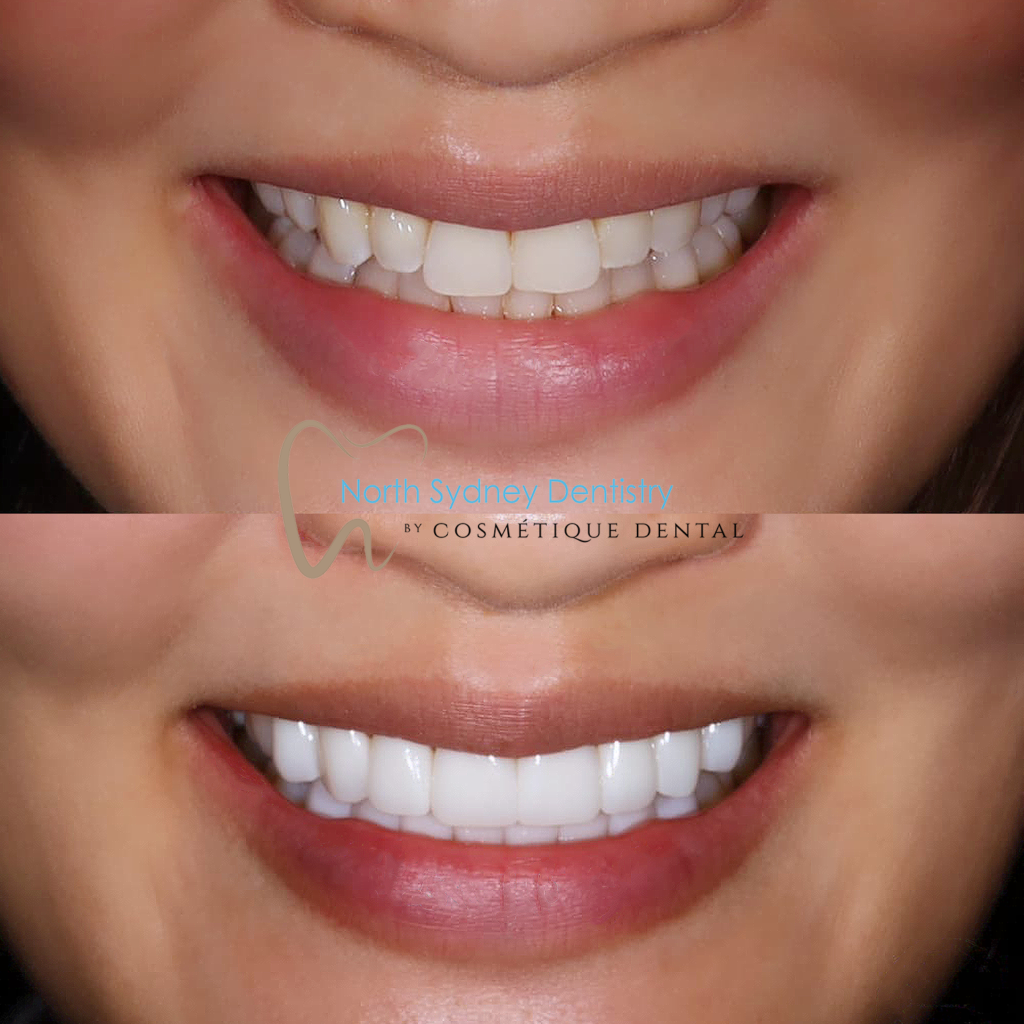
Dental Veneers Before and After *Please note that the results shown are specific to the individual patient and may not be representative of the outcomes of others. If you are considering veneers, it is reasonable to want to understand what changes and what does not. This article explains what veneers are, what the process involves, what determines the result, and the risks and ongoing commitments that come with them. What are Dental Veneers? Dental veneers are thin shells bonded to the front surface of the teeth to change their colour, shape, size or length. They are made from porcelain or composite resin. Veneers are a cosmetic treatment. They do not treat decay, gum disease or bite problems, and those conditions must be addressed before veneers are considered. IMPORTANT — most veneer treatment permanently removes a layer of enamel from the front of otherwise healthy teeth. Enamel does not grow back. Once teeth are prepared, they will require veneers or crowns for life and those restorations will need replacing periodically at ongoing cost. This is the key fact to weigh before agreeing to treatment. The Two Types Porcelain Veneers Porcelain veneers resist staining well and are made in a dental laboratory. They require more preparation than composite, meaning more enamel is removed. They cannot generally be repaired if damaged and instead need replacing. Composite Veneers Composite veneers require less enamel removal and can often be completed in a single visit. They cost less and can usually be repaired, but they stain, chip and wear more readily than porcelain and generally have a shorter lifespan. What determines the result The change achievable in any case depends on the starting colour, shape and position of the teeth, how much enamel is available, the health of the teeth and gums, the bite, and the treatment plan agreed at the outset. Veneers change the front surfaces of teeth. They do not move teeth. Where teeth are significantly crowded or rotated, or where the bite is the underlying issue, orthodontic treatment addresses the cause, and using veneers instead can mean removing considerably more enamel than would otherwise be necessary. Alternatives, including orthodontic treatment, whitening and composite bonding, should be discussed with you. Veneers do not whiten adjacent natural teeth, and their colour cannot be changed once made. Where whitening is planned, it is usually done before veneer shades are matched. Results vary between individuals and no outcome can be guaranteed. Any image or description of a result reflects an individual case and is not a prediction of what any other person will achieve. What veneers can address Veneers are used for discolouration that does not respond to whitening, worn or chipped teeth, small gaps, and teeth that are slightly irregular in shape or position. Whether they are appropriate in your case is a clinical judgement made after examination. The Application Process Initial consultation. At North Sydney Dentistry we examine your teeth, gums and bite, take any necessary X-rays and discuss what you want to change and the options for achieving it. You should receive an explanation of the risks and a written quote before anything proceeds. A layer of enamel is removed from the front of the teeth being treated. This step is irreversible. Composite requires less preparation than porcelain. For porcelain, impressions or digital scans are taken and temporary veneers may be fitted while the laboratory work is completed. The veneers are tried in to check fit and colour, adjusted, then bonded and cured. Colour is confirmed before bonding because it cannot be altered afterwards. Looking after veneers Daily care Brush twice daily, floss, and use a non-abrasive toothpaste. The margin where a veneer meets the tooth is a site where decay can begin, so cleaning around veneers matters. Regular check-ups Regular examinations allow the veneers, the underlying teeth and the gums to be monitored. Problems at the margins are easier to manage when found early. Habits to avoid Avoid biting nails, chewing ice and opening packaging with your teeth. Tell your dentist if you grind or clench, as grinding is a common cause of veneer failure and a nightguard may be recommended. Risks and Limitations Veneers are elective cosmetic treatment and carry risks that should be explained to you in full before you agree to proceed: irreversible enamel removal, committing the teeth to restorations permanently tooth sensitivity, usually temporary but sometimes persistent gum irritation, and recession over time exposing the veneer margin chipping, cracking or debonding requiring repair or replacement at further cost the possibility that a prepared tooth requires root canal treatment or extraction colour that cannot be altered once made and may not match natural teeth as they age a finite lifespan requiring periodic replacement Veneers are generally not appropriate where there is active decay or gum disease, insufficient enamel, significant grinding, or a bite that places excessive force on the front teeth. Is treatment right for you? Deciding on veneers involves weighing what you want to change against the amount of enamel that would be removed, the cost of the initial treatment and of replacement over time, and the alternatives available. It is reasonable to take time over the decision and to seek a second opinion. At North Sydney Dentistry we provide both porcelain and composite veneers. Our dentists are registered with the Dental Board of Australia, and registration can be checked on the Ahpra public register. To find out whether veneers are appropriate for your case, contact us to arrange a consultation.
Root Canal Cost Sydney
Root canal treatment is endeared by many because of how it helps save the natural tooth. It should be noted that before the procedure was introduced, patients had no options but to have their tooth extracted. Things changed for the better with root canal becoming more and more accessible to patients while at the same time, introduced modern techniques to help make them as painless as possible. Root canal cost Sydney however, can get pretty expensive making it important for clients to prepare for them. How Much is Root Canal Therapy in Sydney? The average cost of root canal Australia can range from $990 to $1,600 per tooth depending on a number of factors. It is quite expensive which is why it is best to compare prices amongst dental clinics around Sydney regarding root canal therapy prices to be able to get the best offer. Root Canal Cost at North Sydney Dentistry At North Sydney Dentistry, our root canal cost starts from $800 – $1,500 per tooth depending on your case. Our price is actually one of the best deals in Sydney. It is important to remember that you will not be paying for the root canal therapy only as it also has other procedures that need to be performed such as x-rays, pulp obturation and the likes. Additional options such as installing a dental crown will also significantly increase the cost of root canal therapy in Australia. This is the reason why many find it important to get in touch with their dentist in advance as they discuss with them procedures as well as their cost. Each case is different as some may not need to get a crown after a root canal. Sydney dentist root canal can get pretty expensive and this is why it is imperative that you know if you are a good candidate for the procedure. There are several clear indicators that can help you tell if you need to get a root canal. Among the list that comes to mind include too sensitivity to both hot and cold, toothache on contact, fractured tooth, tooth infection, swelling and gum tenderness and the likes. You will need to have your assumptions properly assessed making it a good idea to visit your dentists as early as possible to receive the appropriate treatment. North Sydney Dentistry
Best Dentist Sydney
It should be noted that the skill of the dentist will play a huge role in the success of the dental procedure. This is the reason why several patients are taking the necessary measures of finding a dentist that will be able to suit their preferences and needs. The search, however, is not as simple and straightforward as several factors need to be considered. Let us look at some tips on how to help you find the best dentist Sydney. It is important to remember that the answer to who is the best dentist North Sydney can be very subjective. The reason behind this is that each one of us will have our own different opinions that can affect our decision with regards to choosing a dentist. Furthermore, not all of the patient cases are similar as others may require a specialist to attend to their oral issues and concerns. A good example of this is the pediatric dentists who specialise in dealing with dental problems for children. Regardless of who you choose, you must look for the best dentist in every category. For instance, the best cosmetic dentist Sydney can be measured with the skill and experience that they have garnered over the years. Reviews and feedback coming from their previous clients will also go a long way in helping give you a good amount of overview with regards to the quality of service that they will be able to provide. You may be pleased to hear that there are ways that you can find affordable dentist Sydney without compromising the result of your treatment. Dental insurance can help save you a fair amount of cost with several procedures. Some clinics also offer dental packages and other similar offers allowing their patients to save a fair amount of money in the process. https://www.northsydneydentistry.com.au/
Dental Implants Cost Sydney
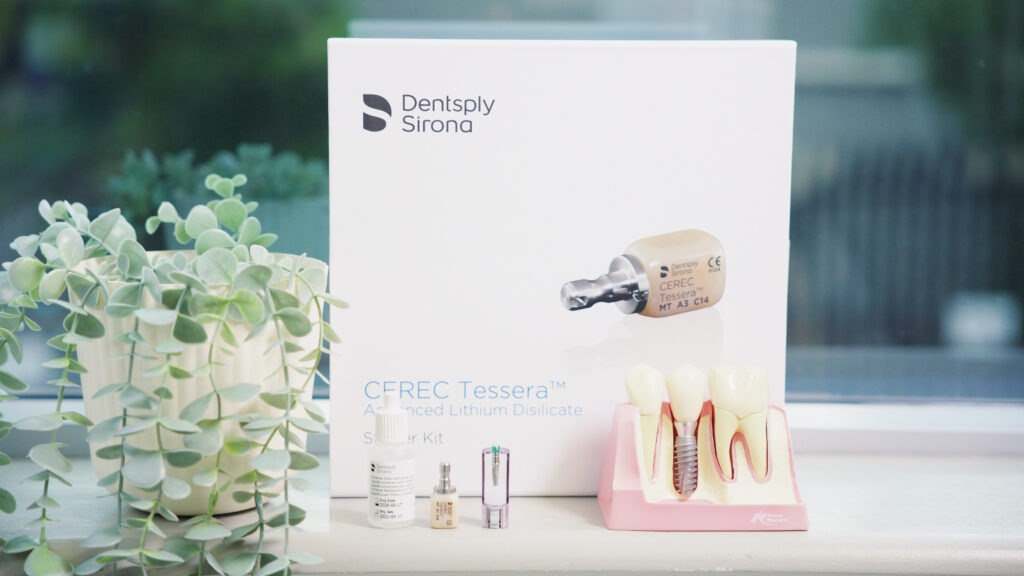
Several individuals today lean towards dental implants because of the huge amount of benefits that they provide. They do last longer when compared to similar procedures such as dentures and dental bridges making it a worthwhile investment for many patients. The procedure has a high success rate but several underlying factors can affect the outcome of the procedure. Here’s a look at dental implants Sydney and its cost. Patients will need to go through evaluation first to see if they are a good candidate for the procedure. There are situations wherein dental implant surgery may not be suitable such as weak jawbone that could be from periodontal diseases or medical conditions. So it is best to discuss your medical condition with the dentist beforehand. As mentioned earlier, most people are good candidates for teeth implants Sydney. With that being said, some habits such as smoking and alcohol intake as well as teeth grinding or clenching can affect the rate of their success which is something that you will want to avoid as much as possible especially when dental implants cost Sydney is expensive. Tooth Implant Cost in Sydney Most dental clinics around Sydney that offer dental implants range from $6,000 – $8,000 per implant which is very expensive. This is why it is highly recommended to look around and compare prices amongst dental clinics that gave the best deal. How Much is Dental Implant at North Sydney Dentistry? North Sydney Dentistry has one of the best deals around especially when it comes to dental implants. We offer quality and durable dental implants yet at an affordable rate. We currently have a dental implant package which is a dental implant and CEREC crown for only $5,199 per tooth. Now that’s an awesome deal! It should be noted that patients will be wearing the implants for a long time lasting for more than 25 years. This is why many find it important to look for the best implant dentist in Sydney like North Sydney Dentistry as they work hand in hand in achieving their goal. You can do this by looking at the skill and experience of the dentist as well as asking them several questions and other related concerns. NorthSydneyDentistry
Emergency Dentist
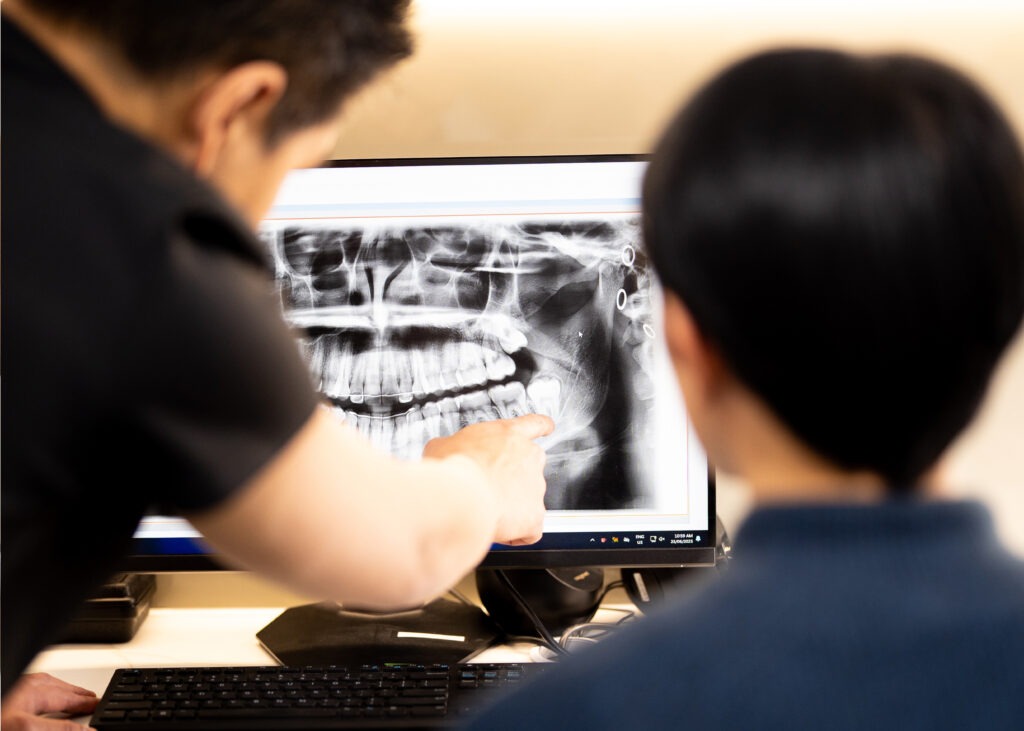
It should be noted that dental emergencies often happen when you least expect them. Furthermore, having them occur during the late hours of the day can be very troublesome as most dental clinics will be closed by them. You must act quickly as every second can be very crucial in helping save a broken tooth or other similar oral issues. It is good to hear that people today can receive help in a timely and effective manner in the form of emergency dentist Sydney with a handful of services that they provide. Emergency dentists offer a huge amount of convenience and relief to patients who have dental problems. With that being said, the extended hours that they provide do come with the additional cost that you will want to consider as their services can be more expensive when compared to a regular visit to a dental clinic during work hours. As such, you will want to make sure that the oral issue that you are experiencing needs medical attention right away or not. At North Sydney Dentistry, we will do our best to squeeze you in for a same day emergency appointment but this will be a short one, enough to manage the pain you’re experiencing. If we think proper treatment is required, then we will rebook you for another treatment. Several factors can help you tell if you need to receive emergency dental services Sydney. We mentioned earlier, the case of a broken or knocked-out tooth as they need to be treated right away to save them. Acting quick will greatly increase the likelihood of preserving and reinserting the tooth. Other noteworthy dental problems that need to be checked right away include unexplained toothaches, bleeding or aching gums, as well as a swollen mouth or jaw. Thus, make sure that you have an open line of communication with your dental clinic and have their number saved on your phone to contact them right away in times of need. https://www.northsydneydentistry.com.au/