
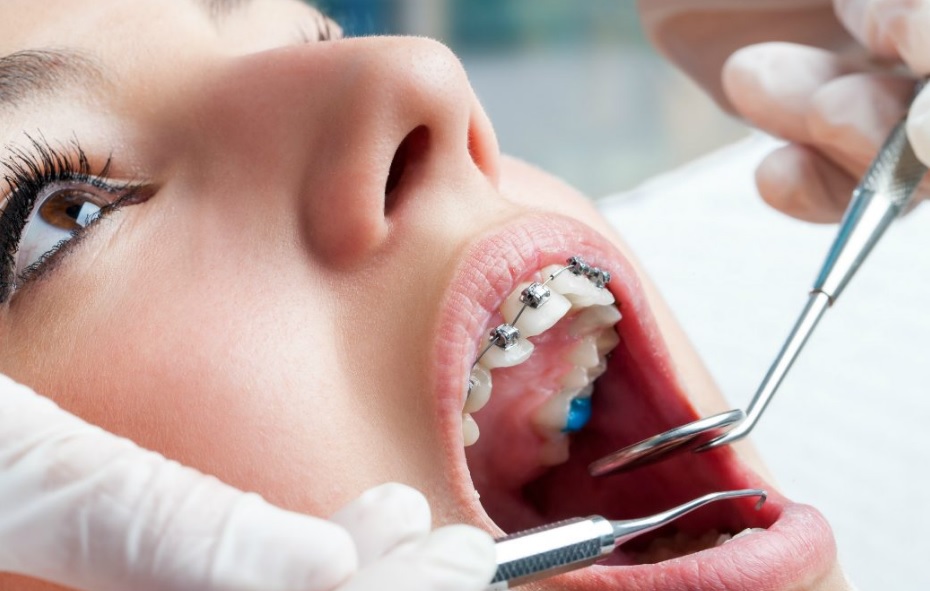
The appearance of a smile is affected by more than the colour of the teeth. Bite problems, jaw alignment and crooked or crowded teeth all play a part in how a smile looks and functions.
These issues are not resolved by brushing and flossing alone. Orthodontic treatment is the area of dentistry concerned with correcting the position of teeth and jaws, and it is the option a dental practitioner will usually discuss with you if alignment is a concern.
Orthodontic treatment may be provided by a registered specialist orthodontist Sydney, or by a general dentist working within their scope of practice. You are entitled to ask which applies in your case, and you can check any practitioner’s registration and whether they hold specialist registration on the public register at Ahpra.
What orthodontic treatment can address
Correcting the position of teeth is usually done with fixed appliances such as teeth braces or with removable clear aligners such as Invisalign.
Beyond appearance, aligning teeth can make them easier to clean, which may reduce the risk of decay and gum disease over time. This is a general benefit reported in the dental literature rather than a guaranteed outcome for any individual.
Orthodontic treatment is also sometimes used to prepare the mouth for restorative work. Where teeth have drifted, moving them into a better position first can affect the options available for replacing missing teeth with implants or bridges, or for placing crowns or veneers. Whether this applies to you is a clinical judgement made after examination.
How long treatment takes
Orthodontic treatment takes time. Fixed braces are commonly worn for around 18 months to two years, and clear aligner treatment often falls in a similar range, but the actual duration depends on the individual case and can be shorter or longer than estimated.
Retainers are needed after treatment finishes, usually for the long term. Teeth tend to move back towards their original position if retainers are not worn as directed.
Risks and Considerations
Orthodontic treatment carries risks. These can include discomfort and tooth sensitivity, ulceration or irritation of the lips and cheeks, decalcification and decay where oral hygiene is not maintained around appliances, shortening of the tooth roots, gum recession, and relapse after treatment. Some cases require extractions or additional procedures. Not every case is suitable for every appliance.
These risks, and how they apply to you, should be explained to you in full before you agree to treatment.
Choosing a Practitioner
When you are deciding where to have treatment, it is reasonable to ask about a practitioner’s qualifications and registration, how many cases like yours they treat, what the treatment plan involves, what the total fee covers and what happens if the plan needs to change.
You should receive a written quote and a clear explanation of the risks before starting. If you would like an assessment, contact a registered dental practitioner to arrange a consultation.