Single Implant vs Bridge: Pros, Cons and Cost
Implant vs bridge for one missing tooth: compare treatment, cost, lifespan, effect on nearby teeth and risks, with guidance from North Sydney Dentistry.
Dental X-Rays: Why You Need Them and How Safe They Are
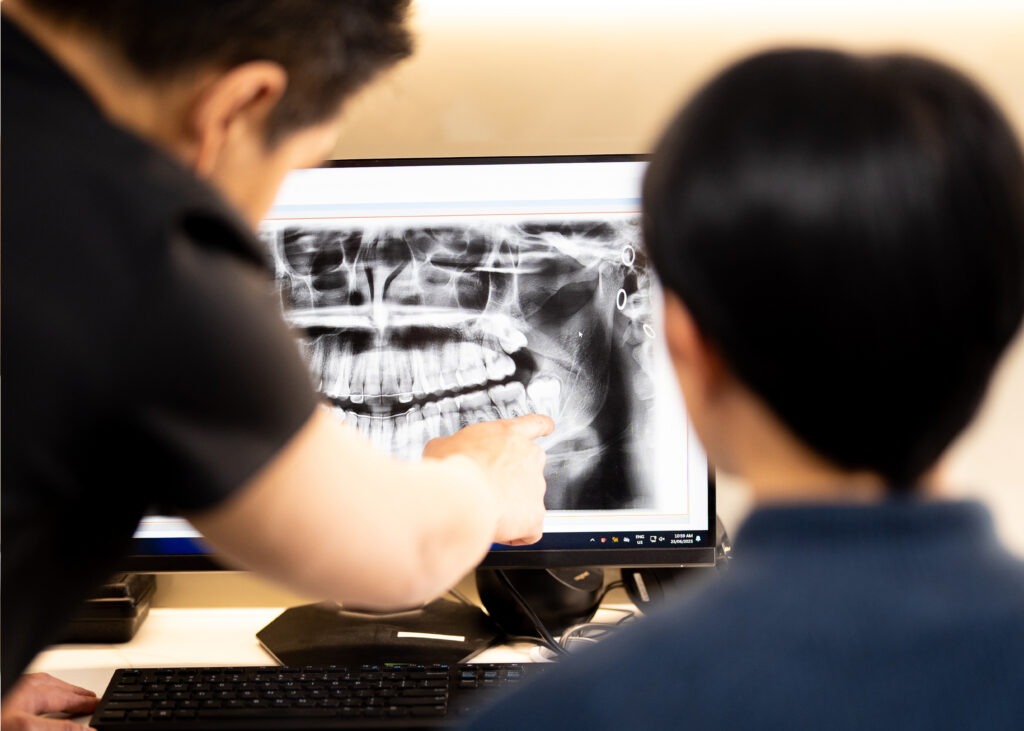
Dental X-rays let your dentist see what a visual examination can’t: decay between teeth, problems under old fillings, infection at the root tips and the health of the bone that holds your teeth in place. The radiation dose is low, and your dentist should only take them when the information will help with a decision about your care. X-rays are one part of what a dental check-up involves. This guide explains the main types, what each one shows, how safe they are, what to do if you’re pregnant, and how often you’re likely to need them. Why your dentist takes dental X-rays Many problems start where no one can see with a mirror. The tight contact points between back teeth are a common spot for decay, and it can grow quite large inside a tooth before there’s a visible hole or any pain. X-rays can help your dentist: Catching these issues early is the heart of preventive dentistry. The main types of dental X-rays Bitewing X-rays For a bitewing, you bite gently on a small tab or holder while a sensor sits inside your mouth. Each image shows the crowns of the upper and lower back teeth together, along with the bone between them. Bitewings are the X-ray most often taken at a routine check-up because they are good at showing decay between teeth and early bone loss. Periapical X-rays A periapical X-ray shows one or two teeth from the biting surface all the way to the tip of the root and the bone around it. Your dentist may take one if you have a toothache, a cracked tooth, swelling or a tooth that has been knocked. They are also used during root canal treatment and before an extraction. Panoramic X-rays (OPG) An OPG (orthopantomogram) is taken outside your mouth. You stand still, bite on a guide, and the machine rotates around your head for a few seconds. The result is one wide image of all your teeth, both jaws and the jaw joints. It is useful for checking wisdom teeth, overall bone levels and other changes in the jaw. It shows less fine detail than a bitewing, so the two are often used together. Are dental X-rays safe? Dental X-rays use a very small dose of radiation. The dose from a bitewing is often compared with the natural background radiation we all receive from the environment over a day or so. A panoramic X-ray involves a somewhat higher dose, but it is still low. Even so, any radiation exposure should be kept as low as reasonably achievable. That is why good practice includes: If you’re worried about radiation, ask your dentist why a particular X-ray is recommended and what it may show. X-rays during pregnancy If you are pregnant or think you might be, tell your dentist before any X-rays are taken. Routine X-rays are usually deferred until after the baby is born. If you have pain, swelling or a suspected infection and an X-ray is needed to treat you safely, your dentist will discuss the options with you, as leaving a dental infection untreated also carries risks. How often do you need dental X-rays? There is no single schedule that suits everyone. How often you need them depends on your risk of decay and gum disease, your age, and what your dentist finds during the examination. A panoramic X-ray is usually taken at a first visit when needed, and then only occasionally, for example to check wisdom teeth or plan treatment. What to expect when X-rays are taken Bring your previous X-rays If you’re changing dentists, ask your previous practice to send your recent X-rays, or bring digital copies with you. This can help your new dentist avoid repeating images you don’t need and compare old and new images. For new patients at our North Sydney practice, bitewing X-rays and a panoramic X-ray are included in the check-up and clean offer as needed. It is no gap for eligible health fund members, depending on your level of cover, or $219 if you don’t have private health insurance. See our new patient specials for details. A scale and clean is also part of that visit, and you can read more about teeth cleaning in North Sydney. If you have severe pain, swelling or a broken tooth, don’t wait for a routine visit. See our emergency dentist page. Call 000 or go to hospital if you have difficulty breathing or swallowing, or facial swelling that is spreading quickly. Frequently asked questions Book your check-up North Sydney Dentistry is at Level 1, Suite 102/71 Walker St, North Sydney, a two-minute walk from North Sydney station. We’re open Monday to Friday, 9am to 6pm. Call (02) 8090 1108 or book online. This article is general information only and is not a substitute for advice from your own dentist or doctor. Any surgical or invasive procedure carries risks. Before proceeding, you should seek a second opinion from an appropriately qualified health practitioner. Related reading Our North Sydney dental practice Using Your Health Fund Dental Benefits Before They Reset How Often Should You Go to the Dentist? Something Stuck Between Your Teeth? How to Remove It Safely
All-on-4 vs Dentures: Comfort, Cost and Care
All on 4 vs dentures compared: comfort, chewing, upfront and ongoing costs, daily care and risks, to help you discuss options with a North Sydney dentist.
Using Your Health Fund Dental Benefits Before They Reset
If you have extras cover, your health fund dental benefits usually come with a yearly limit for general dental care such as check-ups and cleans. When that limit resets, any amount you haven’t used is usually gone. Booking a check-up and clean before your fund’s reset date is a simple way to use cover you’re already paying for. With the end of the year approaching, now is a good time to check your policy. If you’re not sure what a visit includes, see what a dental check-up involves. What extras cover usually includes Most extras policies with general dental cover pay a benefit towards routine care, such as: Your fund pays a set benefit for each item, and you pay the difference, known as the gap. How much you get back depends on your fund, your level of cover and the practice you visit. Major dental work, such as crowns or implants, is often covered separately with its own limits and waiting periods. How annual limits on health fund dental benefits work Most policies have an annual limit, which is the most your fund will pay for a type of service in a year. Some policies also cap how many times you can claim a particular item, such as a check-up, in that year. Limits may apply per person or be shared across everyone on a family policy, and general and major dental may have separate limits. Your fund’s app or member portal usually shows how much you’ve used so far, which makes it easier to plan visits for the whole family before the reset. The date your limits reset depends on your fund. For example, nib’s annual limits reset on 1 January. Other funds may use a different date, so check with your fund, your member app or your policy documents. Do unused benefits roll over? In most policies, unused limits don’t roll over to the next year, so anything you haven’t claimed before the reset is lost. Some policies work differently, so check yours. Waiting periods If you’ve recently joined a fund or upgraded your cover, you may need to serve a waiting period before you can claim. For general dental, this is often around 2 months, but it varies, so check your policy before you book. Major dental can have a longer waiting period. Preferred providers, HICAPS and costs Some funds have preferred provider arrangements, where members may pay less out of pocket at participating practices. North Sydney Dentistry is a preferred provider for: We have HICAPS, so eligible members can claim on the spot and pay only any gap on the day. Check-up and clean costs See the full details on our new patient specials page. If your dentist recommends further treatment, we’ll explain the costs first, and payment plans are available. Your year-end checklist A regular visit is the foundation of preventive dentistry, and it gives your dentist the chance to find small problems before they need bigger treatment. Read more about teeth cleaning in North Sydney. Book early, because December fills up The weeks before Christmas are usually busy, as many people try to fit in a visit before their limits reset and the holidays begin. Booking in November gives you more choice of appointment times and leaves room for a follow-up visit if you need one. Our practice is open Monday to Friday, 9am to 6pm, and a first visit usually takes about 45 to 60 minutes. If you feel nervous about the dentist, let us know when you book, as happy gas may be an option. Frequently asked questions Book your check-up North Sydney Dentistry is at Level 1, Suite 102/71 Walker St, North Sydney, a two-minute walk from North Sydney station. We’re open Monday to Friday, 9am to 6pm. Call (02) 8090 1108 or book online. This article is general information only and is not a substitute for advice from your own dentist or doctor. Any surgical or invasive procedure carries risks. Before proceeding, you should seek a second opinion from an appropriately qualified health practitioner. Related reading Our North Sydney dental practice Dental X-Rays: Why You Need Them and How Safe They Are How Often Should You Go to the Dentist? Something Stuck Between Your Teeth? How to Remove It Safely
All-on-4 Cost in Sydney: What’s Included
All on 4 cost Sydney guide: what a North Sydney All-on-4 quote usually includes, what changes the fee and why a CT scan comes first.
Scale and Clean: What It Is and Why You Need One
A scale and clean is a professional cleaning that removes plaque and hardened tartar from your teeth, including just below the gumline, followed by a polish. It’s usually part of a routine check-up, and most people find it a comfortable visit that helps keep gum disease and decay in check. It’s one step in what a dental check-up involves. Here’s how it works, what it feels like, who does it and how to look after your teeth afterwards. You can also read about teeth cleaning in North Sydney. Plaque vs tartar: why brushing isn’t always enough Plaque is a soft, sticky film of bacteria that forms on your teeth every day. Brushing and flossing can remove it, but it’s easy to miss spots, particularly between teeth and along the gumline. Plaque that stays put can harden into tartar, also called calculus, as minerals from your saliva build up in it. Tartar is often yellow or brown and tends to collect behind the lower front teeth and along the gums. It can’t be brushed off, and its rough surface traps even more plaque. Over time, this irritates the gums and can lead to gingivitis, then to periodontitis, where the bone supporting your teeth is gradually lost. Signs you may have tartar build-up include: What happens during a scale and clean? Ultrasonic scaling Most cleans start with an ultrasonic scaler. Its small tip vibrates rapidly to break tartar away from the tooth, while a fine water spray cools the tip and flushes debris away, and a suction tube removes the water. You’ll hear a high-pitched hum and feel vibration and cool water. Hand scaling Next, fine hand instruments called scalers and curettes remove remaining deposits and smooth the tooth surface. Their shapes let the operator reach between teeth and just under the gumline. You may feel light scraping or pressure. Polish A slightly gritty paste on a soft rotating cup removes surface stains from tea, coffee, red wine and smoking, and leaves teeth feeling smooth. A polish can make teeth look brighter, but it doesn’t change their natural colour. Fluoride and advice A fluoride treatment helps strengthen enamel. Your dentist or therapist will then point out any areas that need more attention at home and suggest tools, such as interdental brushes, that suit your mouth. Does a scale and clean hurt? Most people find it comfortable. Areas with heavy tartar, receding gums or exposed roots can feel more sensitive, especially to the cool water. Tell us if anything is uncomfortable: we can take breaks and adjust how we work, and your dentist can discuss numbing options for deeper cleaning. For nervous patients, happy gas may be an option. Bleeding during and after a clean Some bleeding is common when gums are inflamed. It’s usually a sign of the inflammation the plaque and tartar were causing, rather than damage from the clean. With gentle, regular brushing and flossing, bleeding often settles over the following days to weeks. If it continues, let us know. Sensitivity afterwards Teeth can feel more sensitive to cold for a few days, particularly where tartar was covering the root surfaces. A toothpaste for sensitive teeth may help, and you can use over-the-counter pain relief, taken as directed on the pack, if it’s safe for you, for any gum tenderness. Sensitivity that doesn’t ease within a week or two is worth checking. Who performs your clean? Your clean is done by a dentist or an oral health therapist. Oral health therapists are registered dental practitioners trained in cleaning, preventive care and oral hygiene advice. They work with the dentist, who looks after your overall examination and treatment planning. When a clean takes more than one visit If you haven’t had a clean for a long time, or tartar has built up below the gumline because of gum disease, your dentist may suggest a deeper clean spread over more than one visit. This may be done one section of the mouth at a time, sometimes with local anaesthetic, followed by a review to see how your gums have responded. Any extra visits are explained and quoted first. How often should you have one? For most people, a professional clean every 6 to 12 months with their check-up is enough. Your dentist may suggest more frequent cleans if you have gum disease, build up tartar quickly, wear braces, have diabetes, or smoke or vape. Regular cleans are a key part of preventive dentistry, and if you’re new to our North Sydney practice you can check our new patient specials. Aftercare tips If you have severe pain, swelling or a broken tooth, don’t wait for your next check-up: see a dentist promptly through our emergency dentist page. Call 000 or go to hospital if you have difficulty breathing or swallowing, or facial swelling that is spreading quickly. Frequently asked questions Book your check-up North Sydney Dentistry is at Level 1, Suite 102/71 Walker St, North Sydney, a two-minute walk from North Sydney station. We’re open Monday to Friday, 9am to 6pm. Call (02) 8090 1108 or book online. This article is general information only and is not a substitute for advice from your own dentist or doctor. Any surgical or invasive procedure carries risks. Before proceeding, you should seek a second opinion from an appropriately qualified health practitioner. Related reading How Much Does a Check-Up and Clean Cost in North Sydney? No Gap Dentist in North Sydney: How No-Gap Check-Ups Work
Dental Implants Explained: Cost, Process and Recovery
Dental implants North Sydney guide: how implants work, the step-by-step process, typical costs, recovery and risks, and whether they may suit you.
Spark vs Angel Aligners: Comparing Two Invisalign Alternatives
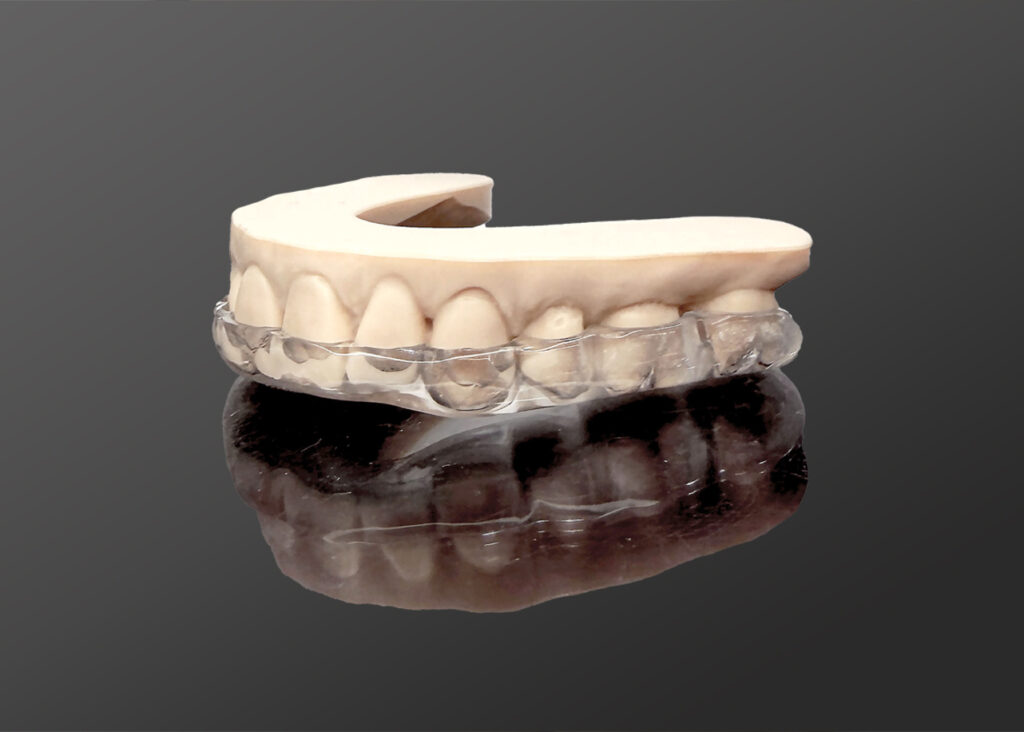
Spark and Angel Aligner are two clear aligner systems offered alongside Invisalign. Here is how they compare.
Angel Aligners vs Invisalign: What North Sydney Patients Should Know
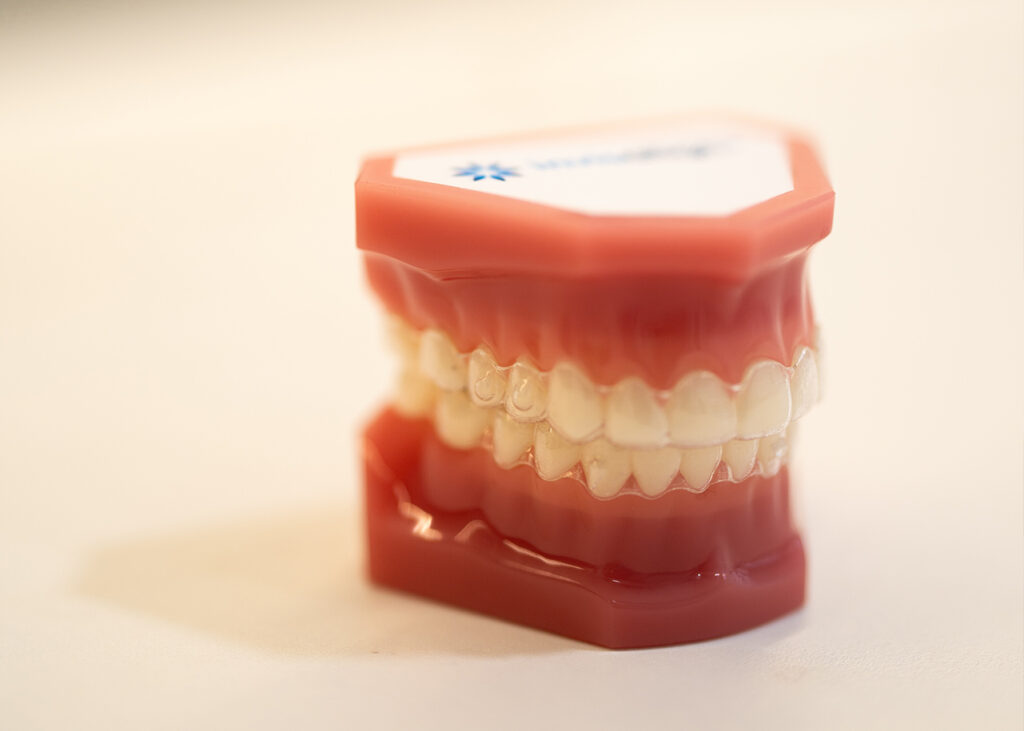
Angel Aligner and Invisalign follow the same approach. Here is how they compare, and why Angel is estimated at $500 less at our practice.
Spark Aligners vs Invisalign: A North Sydney Comparison
Spark and Invisalign straighten teeth the same way. Here is how they differ, and why Spark is estimated at $500 less at our practice.