Toothache at Night: How to Manage It Until You See a Dentist
A toothache at night often feels worse because lying down increases pressure in the blood vessels around an inflamed tooth, and there’s little to distract you. To get through the night, take over-the-counter pain relief if it’s safe for you, keep your head raised, use a cold pack on the outside of your cheek and call a dentist first thing in the morning. Pain that wakes you up is a sign the nerve inside the tooth may be inflamed or infected, so it’s worth being seen soon. This guide explains how to manage the pain safely overnight. For other urgent problems, see our dental emergency guide. Do you need a hospital tonight? Most toothaches can be managed at home until a dental clinic opens. Call 000 or go to your nearest hospital emergency department if you have: If you’re unsure whether you need to be seen tonight, call healthdirect on 1800 022 222. Registered nurses answer 24 hours a day, seven days a week. Why toothache at night feels worse Several things combine to make dental pain more noticeable after dark: How to ease the pain overnight What not to do What your toothache might be telling you Only an examination and X-rays can confirm the cause, but the type of pain can give some clues: If severe pain suddenly stops, don’t assume the problem has gone. In some cases it means the nerve has died, and an infection can still develop. Book a check-up anyway. Getting treatment in the morning Call as soon as the clinic opens and describe your symptoms. Our emergency dentist in North Sydney aims to see urgent problems as soon as possible, often on the same day. Your dentist will find the cause and focus on relieving the pain first. Depending on what they find, treatment may include a temporary dressing, a dental filling or root canal therapy to remove an inflamed or infected nerve. If a tooth can’t be saved, removal may be discussed. Your dentist will explain your options, risks and costs before going ahead. Preventing toothache at night Regular check-ups at our North Sydney practice help find decay and cracked fillings before they reach the nerve. Don’t ignore early signs such as sensitivity to cold, pain when biting or a tooth that aches after sweet food. These are much easier to treat early than at 2am. Frequently asked questions Need help now? North Sydney Dentistry is at Level 1, Suite 102/71 Walker St, North Sydney, a two-minute walk from North Sydney station. We’re open Monday to Friday, 9am to 6pm, and keep time aside for urgent problems where we can. Call (02) 8090 1108 or book online. This article is general information only and is not a substitute for advice from your own dentist or doctor. Any surgical or invasive procedure carries risks. Before proceeding, you should seek a second opinion from an appropriately qualified health practitioner.
Chipped or Broken Tooth: What to Do and Your Repair Options
A chipped tooth usually isn’t dangerous, but it should be checked by a dentist soon, even if it doesn’t hurt. Rinse your mouth, keep any broken piece in milk or saline, cover sharp edges and avoid chewing on that side. If the tooth is painful, very sensitive or you can see pink or red inside it, try to be seen the same day. This guide covers first aid, how to judge the urgency, and the ways a broken tooth can be repaired. For other urgent problems, read what counts as a dental emergency. What to do straight away When to go to hospital instead A tooth that breaks in a fall or a hit to the face can come with other injuries. Call 000 or go to your nearest hospital emergency department if there is: Outside business hours, healthdirect on 1800 022 222 can give 24/7 nurse advice on where to go. How urgent is a chipped tooth? How quickly you need care depends on how deep the break goes. Your dentist will confirm this, but the guide below can help you decide how fast to call. Small chip in the enamel A small piece missing from the edge, that doesn’t hurt and isn’t sensitive, only involves the hard outer layer. It isn’t usually urgent, but book in within a few days so a sharp edge doesn’t cut your tongue and the chip doesn’t spread. Larger break with sensitivity If a bigger piece has broken off and the tooth is sensitive to air, cold or sweet food, the softer yellowish layer underneath (dentine) is probably exposed. Try to be seen within a day or so, as exposed dentine lets bacteria move towards the nerve. Pink or red spot, bleeding or severe pain A pink or red dot in the broken area, or bleeding from inside the tooth, often means the nerve is exposed. This needs to be seen the same day. Call our emergency dentist in North Sydney and we aim to see urgent problems as soon as possible, often on the same day. Loose, pushed or split tooth If the tooth has moved, feels loose or seems split into two pieces, it also needs prompt care. A crack can run below the gum line where you can’t see it. Our article on the signs of a cracked tooth explains what to look out for. Chipped tooth repair options Your dentist will recommend a repair based on the size and position of the break, the health of the nerve and how you bite. Common options include: Bonded repairs may chip or stain over time and can need touching up, while crowns involve removing more tooth structure. Ask your dentist about the benefits, risks and costs of each option before you decide. What happens at your appointment At our North Sydney practice, your dentist will ask how the tooth broke, examine it and take X-rays to check the root and surrounding bone. They may test how the nerve responds to cold. If the tooth is sore or the nerve is at risk, they may place a temporary covering first and plan the longer-term repair for another visit. Front teeth that have been knocked can sometimes darken or become tender months later, because the nerve was bruised at the time of the injury. Keep your review appointments so any change can be picked up early. How to protect your teeth from chips Frequently asked questions Need help now? North Sydney Dentistry is at Level 1, Suite 102/71 Walker St, North Sydney, a two-minute walk from North Sydney station. We’re open Monday to Friday, 9am to 6pm, and keep time aside for urgent problems where we can. Call (02) 8090 1108 or book online. This article is general information only and is not a substitute for advice from your own dentist or doctor. Any surgical or invasive procedure carries risks. Before proceeding, you should seek a second opinion from an appropriately qualified health practitioner.
Knocked-Out Tooth: What to Do in the First 30 Minutes
A knocked out tooth is one of the few dental problems where minutes really count. If it’s an adult tooth, pick it up by the crown, rinse it briefly, push it gently back into the socket and see a dentist straight away, ideally within 30 minutes. If it’s a baby tooth, never put it back in. The steps below take you from the moment the tooth comes out to the dental chair. For other urgent problems, see our dental emergency guide, or call our emergency dentist in North Sydney on the way. First, check for more serious injuries Teeth are often knocked out by a fall, a sporting collision or a blow to the face, so check the person as well as the tooth. Call 000 or go to your nearest hospital emergency department if there is: If the injury happens out of hours and you’re unsure where to go, healthdirect on 1800 022 222 offers nurse advice 24 hours a day. A dentist can still treat the tooth once any serious injury has been checked. What to do with a knocked out tooth, step by step Why the first 30 minutes matter The root surface is covered with delicate cells that attach the tooth to the bone. Once those cells dry out, they start to die, and the chance of the tooth reattaching drops quickly. Keeping the tooth in the socket, or in milk or saliva, protects those cells until a dentist can reposition it. Don’t store the tooth in water for the trip. Plain water can damage the root cells over time, whereas milk is a better short-term option. Children and baby teeth Never put a baby tooth back into the socket. Doing so can damage the adult tooth that is developing underneath. Instead, comfort your child, control any bleeding with a folded cloth and gentle pressure, and bring them in to be checked. Front baby teeth are usually lost naturally from around six or seven years of age, so it isn’t always easy to tell whether a knocked-out tooth is a baby tooth or an adult one. If you’re not sure, don’t put it back. Keep it in milk and call a dentist straight away for advice. It’s still worth seeing a dentist even when a baby tooth can’t be replaced. They can check for broken fragments, injuries to the lips and gums, and any damage to the adult tooth below. If you can’t find the tooth at all, it may have been pushed up into the gum, swallowed or inhaled, which needs to be checked. Our children’s dentistry team can check injuries like these. What happens when you reach the dentist At our North Sydney practice, we aim to see urgent problems as soon as possible, often on the same day, and a knocked-out tooth is a priority. Your dentist will usually: In adults, the nerve inside a replanted tooth usually doesn’t survive, so root canal treatment is often started within a couple of weeks. The tooth is then reviewed over the following months and years, because the root can slowly be replaced by bone in some cases. Caring for the tooth at home If the tooth can’t be saved Sometimes a tooth can’t be replanted, or it doesn’t hold in the long run. There are several ways to replace a missing front tooth, including a removable denture, a bridge or dental implants. Your dentist will talk you through the pros, cons, risks and costs of each. Implants aren’t usually placed until the jaw has finished growing, so teenagers and young adults may need a temporary option first. How to lower the risk Most knocked-out teeth happen during sport, play or falls. A custom-fitted mouthguard worn for all contact sports and training can reduce the risk of injury to the teeth and jaw. Frequently asked questions Need help now? North Sydney Dentistry is at Level 1, Suite 102/71 Walker St, North Sydney, a two-minute walk from North Sydney station. We’re open Monday to Friday, 9am to 6pm, and keep time aside for urgent problems where we can. Call (02) 8090 1108 or book online. This article is general information only and is not a substitute for advice from your own dentist or doctor. Any surgical or invasive procedure carries risks. Before proceeding, you should seek a second opinion from an appropriately qualified health practitioner.
Wisdom Teeth Removal: Signs, Procedure, Recovery and Cost
Wisdom teeth removal is one of the most common dental procedures. It’s usually recommended when wisdom teeth are stuck, only partly through the gum, decayed or causing repeated infections. Healthy wisdom teeth that have fully come through and are easy to clean can often stay, and be checked at your regular visits. This guide explains how to tell whether your wisdom teeth may need attention, what happens at an assessment and on the day of tooth extraction in North Sydney, how recovery usually goes, and what affects the cost. What are wisdom teeth? Wisdom teeth are the third molars at the very back of your mouth. According to healthdirect, they usually come through between about 18 and 25 years of age and are the last teeth to appear. You can have up to four, but some people have fewer, some have none, and some wisdom teeth never come through the gum at all. Because they arrive last, there often isn’t enough room for them. A wisdom tooth may then come through at an angle, only partly break through the gum, or stay trapped against the tooth in front or in the jawbone. This is called an impacted wisdom tooth. Signs your wisdom teeth may need attention Some impacted wisdom teeth cause no symptoms at all and are only found on an X-ray. That’s one reason regular dental check-ups matter in your late teens and twenties. When is wisdom teeth removal recommended? Your dentist may recommend removal if a wisdom tooth: If your wisdom teeth are healthy, fully through, in a good position and easy to keep clean, your dentist may simply keep an eye on them. The decision depends on your mouth, your symptoms and what the X-rays show, and you can always ask for a second opinion. Your wisdom teeth assessment At your assessment, your dentist will ask about your symptoms and medical history, examine your mouth, and usually take a panoramic X-ray (OPG) showing all your teeth and jaws. If a lower wisdom tooth sits close to the nerve that supplies feeling to your lip and chin, a 3D scan may be suggested to plan treatment more precisely. You’ll then be told whether removal is recommended, how simple or complex it is likely to be, the risks, your anaesthetic options and an itemised quote. Many wisdom teeth can be removed in the chair under local anaesthetic. More complex cases may be referred to an oral and maxillofacial surgeon, and sometimes treated under sedation or general anaesthetic in a hospital or day surgery. What happens on the day You should feel pressure but not sharp pain during the procedure. Let your dentist know straight away if you do, so more anaesthetic can be given. Recovery after wisdom teeth removal Everyone heals differently, but the first two to three days are usually the most uncomfortable, and swelling often peaks around day two or three. Most people feel much better within about a week, while the gum takes a few weeks to heal fully. Risks and when to call us As with any surgical procedure, wisdom teeth removal carries risks. Your dentist will talk you through the ones that apply to you, which may include bleeding, swelling, bruising, infection, dry socket, jaw stiffness, and temporary numbness or tingling of the lip, chin or tongue. For upper wisdom teeth, there’s a small chance of an opening into the sinus. Contact us if bleeding doesn’t slow after 30 minutes of firm pressure on gauze, if pain gets worse after the second or third day, if you have a fever, pus or a bad taste, if swelling is still increasing after day three, or if numbness hasn’t worn off by the next day. Call 000 or go to your nearest hospital emergency department if you have difficulty breathing or swallowing, or swelling that is spreading quickly. Out of hours, you can also call healthdirect on 1800 022 222. How much does wisdom teeth removal cost? The cost depends on how many teeth need removing, how impacted they are, whether a surgical extraction is needed, the X-rays or scans required, the anaesthetic or sedation you choose, and whether treatment is done in the chair or in hospital. After your assessment, you’ll receive an itemised quote so you can check it with your health fund. Medicare generally doesn’t cover wisdom teeth removal in a dental clinic. Extras cover may pay benefits towards oral surgery, and hospital cover may help with hospital and anaesthetist costs if treatment is done in hospital, depending on your policy and waiting periods. See our price guide or ask about payment plans. Frequently asked questions Book a wisdom teeth assessment North Sydney Dentistry is at Level 1, Suite 102/71 Walker St, North Sydney, a two-minute walk from North Sydney station. We’re open Monday to Friday, 9am to 6pm. Call (02) 8090 1108 or book online. This article is general information only and is not a substitute for advice from your own dentist or doctor. Any surgical or invasive procedure carries risks. Before proceeding, you should seek a second opinion from an appropriately qualified health practitioner.
Dental Check-Up and Clean: What Happens, How Often and Cost
A dental check-up is a routine visit where your dentist examines your teeth, gums and mouth, takes X-rays if needed, and usually cleans your teeth to remove plaque and tartar. Most people are advised to have one every 6 to 12 months, although your dentist may suggest a different timeframe based on your oral health. This guide covers what happens at a check-up and clean, why regular visits matter, how often to book, what it costs at our North Sydney practice, and how to get the most from your appointment. Why a regular dental check-up matters Many dental problems don’t hurt in the early stages. Decay can start between teeth where you can’t see it, and gum disease often causes little more than some bleeding when you brush. By the time a tooth aches, the problem is usually bigger and the treatment more involved. Regular check-ups give your dentist the chance to: This kind of preventive dentistry is often the most cost-effective care you can have, because it helps you avoid larger treatment later. What happens at a dental check-up and clean? Every visit is a little different, but a typical check-up and clean includes these steps. 1. Medical history and a chat Your dentist will ask about your general health, any medications, pregnancy, and any concerns such as sensitivity, bleeding gums or grinding. Medical conditions and some medicines can affect your mouth, so it helps to keep us up to date. 2. Examination Your dentist checks each tooth for decay, wear and cracks, looks at existing fillings and crowns, and measures the health of your gums. They also examine your tongue, cheeks, lips, the floor and roof of your mouth, and your jaw joints. 3. X-rays, if needed Small bitewing X-rays show decay between the back teeth and bone levels around them. A panoramic X-ray (OPG) gives a wide view of all your teeth and jaws, including wisdom teeth. Your dentist will only take X-rays when they are clinically useful, and how often you need them depends on your risk of problems. 4. Scale and clean Using an ultrasonic scaler and hand instruments, your dentist or oral health therapist removes plaque and tartar (calculus) from above and just below the gumline. This is followed by a polish to remove surface stains. Learn more about teeth cleaning in North Sydney. 5. Fluoride and advice A fluoride treatment helps strengthen enamel. Your dentist will then explain what they found, show you any areas to focus on when brushing and flossing, and outline any treatment you may need, with costs, before anything further is booked. How often should you have a dental check-up? Healthdirect suggests a check-up every 6 to 12 months for most people. You may be advised to come more often if you: Children should start having check-ups from about 12 months of age, or when their first teeth appear. Our children’s dentistry visits are designed to help kids feel comfortable from the start. How long does a check-up take? A first visit to our practice usually takes about 45 to 60 minutes, because it includes a comprehensive examination and any X-rays needed. Return visits are often a little shorter. If you haven’t had a clean for a long time, your dentist may suggest a longer or second appointment. How much does a check-up and clean cost? At North Sydney Dentistry: See the full details on our new patient specials page. We have HICAPS, so eligible members can claim on the spot, and we are a preferred provider for Bupa Members First, Medibank Members’ Choice and nib First Choice. Check your policy for waiting periods and annual limits before you book. How to prepare for your appointment Looking after your teeth between visits If you have severe pain, swelling or a broken tooth, don’t wait for your next check-up. See our emergency dentist page. Call 000 or go to hospital if you have difficulty breathing or swallowing, or facial swelling that is spreading quickly. Frequently asked questions Book your check-up North Sydney Dentistry is at Level 1, Suite 102/71 Walker St, North Sydney, a two-minute walk from North Sydney station. We’re open Monday to Friday, 9am to 6pm. Call (02) 8090 1108 or book online. This article is general information only and is not a substitute for advice from your own dentist or doctor. Any surgical or invasive procedure carries risks. Before proceeding, you should seek a second opinion from an appropriately qualified health practitioner.
Dental Emergency: What to Do and When to See a Dentist
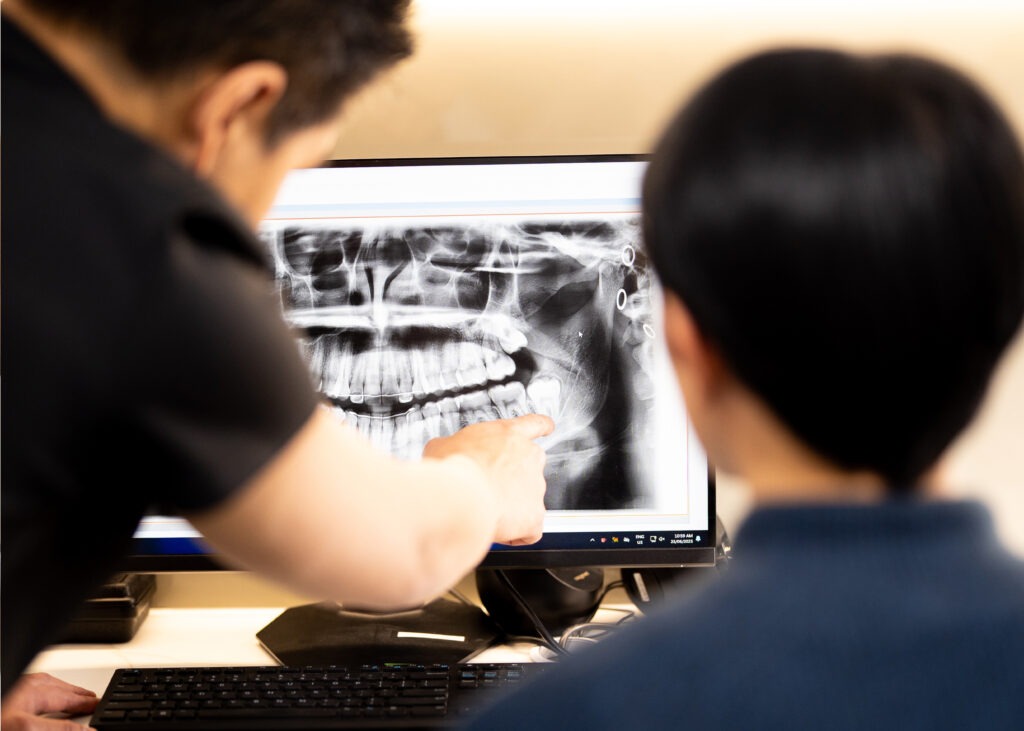
A dental emergency is any problem with your teeth, gums or jaw that needs care quickly to ease severe pain, stop bleeding, control an infection or give a damaged tooth a better chance of being saved. If you’re not sure whether your situation is urgent, it’s safer to call a dentist and ask than to wait and see. This guide explains what counts as a dental emergency, what to do in the first hour, when you need a hospital instead of a dentist, and how our emergency dentist in North Sydney can help. First, is it a hospital emergency? Some mouth and face problems can’t wait for a dental appointment. Call 000 or go to your nearest hospital emergency department if you or your child has: Once any serious injury or spreading infection has been managed, you can see a dentist to treat the tooth itself. What counts as a dental emergency? These problems usually need to be seen by a dentist as soon as possible, ideally the same day: Urgent, but it can usually wait a day or two Some problems are uncomfortable but not usually dangerous. Call us during opening hours and we’ll arrange a time to see you: Leaving these for weeks can turn a small problem into a bigger one, so it’s still worth booking in soon. What to do in a dental emergency: first aid steps Knocked-out tooth Never put a baby tooth back in. It can damage the adult tooth developing underneath. Bring your child in to be checked instead. Broken or chipped tooth Rinse your mouth with warm water. Keep any broken pieces in milk or saline and bring them with you. Cover a sharp edge with sugar-free gum or dental wax to protect your tongue and cheek. Toothache or swelling Rinse with warm salty water and gently floss around the tooth in case food is trapped. Hold a cold pack wrapped in a cloth against the outside of your cheek for 10–15 minutes at a time. Over-the-counter pain relief such as paracetamol or ibuprofen, taken as directed on the pack, may help if it’s safe for you. Don’t put aspirin or heat on the gum or face. Bleeding Fold a clean gauze pad or cloth, place it over the area and bite down firmly for 15–20 minutes without checking. Sit upright and avoid rinsing, spitting or hot drinks. If bleeding continues, seek help. Dental emergencies after hours and on weekends North Sydney Dentistry is open Monday to Friday, 9am to 6pm. If something happens outside these hours: What happens at an emergency dental appointment? We aim to see urgent problems as soon as possible, often on the same day. Learn more about our same-day emergency dentist appointments. At your visit, your dentist will usually: Depending on the cause, follow-up care may include a filling, a dental crown, root canal therapy or a tooth extraction. If you feel anxious about dental treatment, ask us about happy gas. How much does emergency dental care cost? The cost depends on what your dentist finds and what treatment you need on the day. An examination and X-rays are usually the starting point, and further treatment is quoted before it begins. If you have extras cover, you may be able to claim part of the cost on the spot. We are a preferred provider for Bupa Members First, Medibank Members’ Choice and nib First Choice. See our price guide, or ask about payment plans for larger treatment. How to lower your risk of a dental emergency Frequently asked questions Need help now? North Sydney Dentistry is at Level 1, Suite 102/71 Walker St, North Sydney, a two-minute walk from North Sydney station. We’re open Monday to Friday, 9am to 6pm, and keep time aside for urgent problems where we can. Call (02) 8090 1108 or book online. This article is general information only and is not a substitute for advice from your own dentist or doctor. Any surgical or invasive procedure carries risks. Before proceeding, you should seek a second opinion from an appropriately qualified health practitioner.
Dental Crown
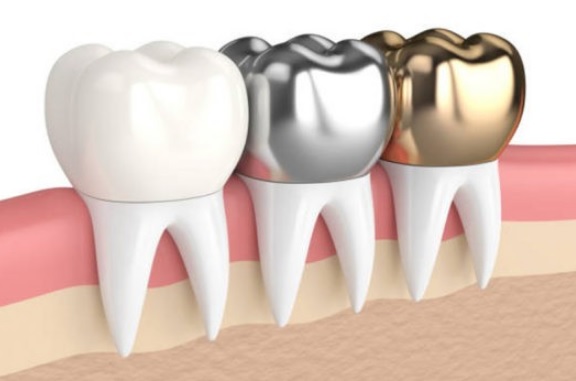
Dental crown is also known as tooth cap because it is a tooth shaped cap that is being placed over your tooth to improve its appearance. It is needed in situations like protecting a tooth from decay to prevent it from cracking as well. If a tooth is broken or when there is little tooth left, a crown is used to support and cover it. A tooth that has severe discolouration or is misshaped, it can be covered by a crown too. A tooth crown cost starts from $1,820 and it all depends on the type of crown you want. There are different types of crown and it varies depending on materials and cost. One type is a porcelain crown which is popular nowadays and this is completely made of porcelain. It is natural looking that easily matches your surrounding teeth and is popular for front teeth. This type of crown is also costly than other types of dental crowns. Another type is porcelain fused to metal crowns, this is a type of crown that provides strength and aesthetics and it has a metal structure with a porcelain top. The advantage of this is both durability and aesthetics and cost less than the porcelain crowns. Gold crowns are also composed of copper and other metals however they are not the most popular because it does not look like a natural tooth at all. Gold is a strong type of metal that’s why it is considered as strong and highly resistant which lasts long too. Dental crowns should be a good fit in our teeth, just like what we describe them, teeth caps. Once you have decided to get a tooth crown then the dentist will prepare you for an impression which is then brought to the dental technician to construct a crown so that the appropriate fit will match your jaw and the way you bite, the colour and structure of your surrounding teeth as well. Once the crown is made, it will then be fixed using a dental cement to hold it over the tooth. When you are considering of getting crowns teeth, weigh all of your options and make sure to spend it wisely. Make sure that in choosing a cheap option will not also lead you to poor dental quality and could not provide a good experience. Dental crown cost in Sydney varies depending on the type of teeth crowns you will receive and the dental clinic’s location. Make sure to compare the cost with other dental fees. You also have to make sure that the dentist is not over charging you, ask the dentist if they offer payment plans and mention if ever you have dental insurance to make sure you are getting the benefits that you deserve. Remember to ask questions to your dentist, a professional will lay out everything and will help you decide the right treatment to choose. Dentist North Sydney
Tooth Cap
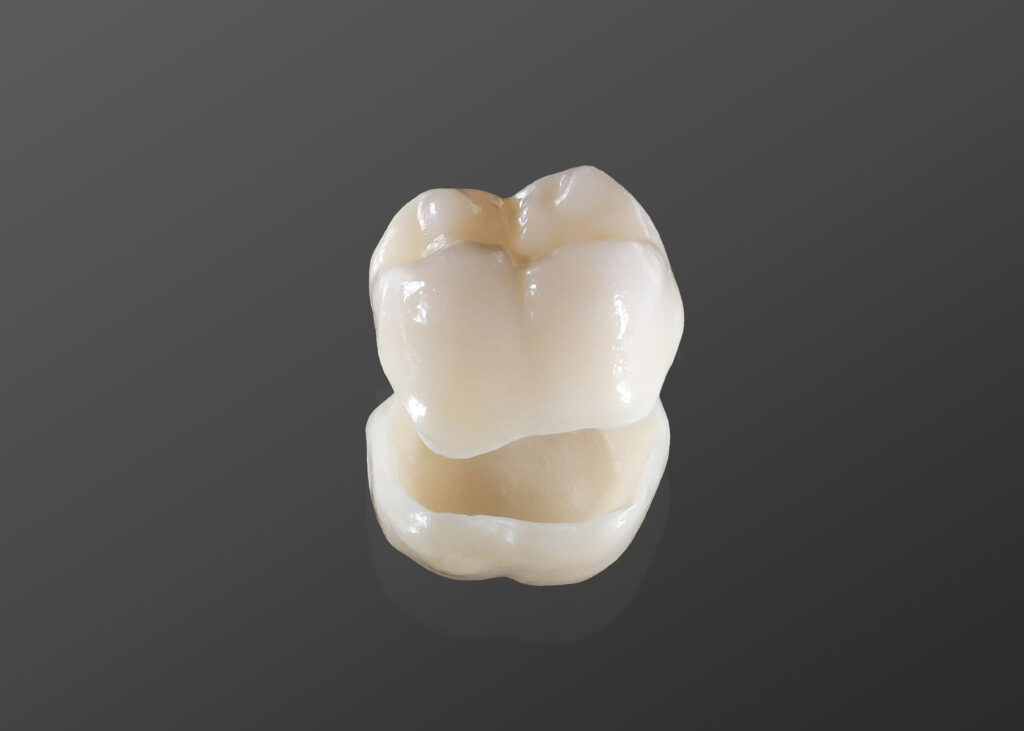
Your smile is one of the first things people notice about you. It’s a reflection of your personality, confidence, and overall health. But what happens when a chipped, cracked, or discoloured tooth disrupts that beautiful smile? Enter tooth caps, also known as dental crowns. These tiny wonders can work magic on your teeth, restoring not just functionality, but also aesthetics. What is a Tooth Cap? A tooth cap, or dental crown, is a custom-made cover placed over a tooth. It’s like a helmet for your tooth, protecting it from further damage while restoring its shape, size, and appearance. Crowns are designed to blend seamlessly with your natural teeth, making them an excellent solution for various dental issues. Benefits of Tooth Caps Tooth caps offer numerous benefits. They strengthen weakened teeth, improve the appearance of discoloured or misshapen teeth, and can even support a tooth with a large filling when there isn’t much tooth left. Plus, with advances in dental technology, tooth caps now look more natural than ever. Types of Tooth Caps There are several types of tooth caps to choose from. Porcelain crowns are popular for their natural look, while metal crowns are known for their durability. Porcelain-fused-to-metal crowns offer a balance between aesthetics and strength, and all-resin crowns are an affordable option. Your dentist will recommend the best type based on your needs. Why Choose North Sydney Dentistry for Your Tooth Cap? At North Sydney Dentistry, we pride ourselves on providing high-quality tooth caps that cater to your unique dental needs. Located conveniently in North Sydney, our clinic is equipped with state-of-the-art technology and staffed by experienced professionals dedicated to giving you the best dental care possible. Expertise and Experience Our team of skilled dentists has years of experience in fitting tooth caps. We stay updated with the latest advancements in dental technology and techniques to ensure you receive top-notch care. Your smile is in safe hands with us. Personalised Care We understand that every patient is unique. That’s why we offer personalised dental care tailored to your specific needs. From the initial consultation to the final fitting, we work closely with you to ensure your tooth cap is perfect. Comfortable Environment We believe that visiting the dentist should be a pleasant experience. Our clinic is designed to provide a comfortable and relaxing environment. Our friendly staff is always ready to assist you and make your visit as stress-free as possible. The Tooth Cap Procedure Explained Understanding what to expect during the tooth cap procedure can help ease any anxiety you might have. Here’s a step-by-step guide to the process. 1. Consultation and Examination The first step is a consultation with your best dentist North Sydney. During this appointment, your dentist will examine your tooth and discuss your options. X-rays may be taken to assess the health of the tooth and surrounding bone. 2. Preparing the Tooth Once you’ve decided to proceed with a tooth cap, the next step is preparing the tooth. This involves reshaping the tooth to make room for the crown. If the tooth is severely damaged, your dentist Sydney may need to build it up with a filling material. 3. Taking Impressions After the tooth is prepared, your dentist will take an impression of it. This impression is sent to a dental lab, where your custom tooth cap is made. In the meantime, your dentist will fit you with a temporary crown to protect the tooth. 4. Fitting the Tooth Crown When your permanent crown is ready, you’ll return to the dentist for a fitting. The dentist will remove the temporary crown and check the fit and colour of the permanent one. If everything looks good, the crown is cemented in place. Tooth Caps and Cosmetic Dentistry Tooth caps play a significant role in cosmetic dentistry. They not only restore the function of damaged teeth but also enhance the overall appearance of your smile. Enhancing Your Smile If you have discoloured, misshapen, or chipped teeth, tooth caps can transform your smile. They can cover imperfections and give you a perfect set of teeth that look natural and beautiful. Boosting Confidence A beautiful smile can significantly boost your confidence. With tooth caps, you can smile, talk, and laugh without feeling self-conscious about your teeth. It’s a simple solution that can have a profound impact on your self-esteem. Tooth Caps vs. Other Dental Solutions When it comes to restoring damaged teeth, you have several options. Here’s how tooth caps compare to other dental solutions. Dental Fillings Dental fillings are used to repair minor cavities and tooth decay. While they are effective for small repairs, they may not be suitable for severely damaged teeth. Tooth caps provide a more comprehensive solution for extensive damage. Dental Veneers Veneers are thin shells of porcelain or composite resin that cover the front surface of teeth. They are primarily used for cosmetic purposes to improve the appearance of teeth. Tooth caps, on the other hand, cover the entire tooth and provide both functional and aesthetic benefits. Elevate Your Smile with North Sydney Dentistry A damaged or discoloured tooth doesn’t have to ruin your smile. With tooth caps from North Sydney Dentistry, you can restore your teeth and enjoy a beautiful, confident smile. Whether you are looking to fix a damaged tooth or enhance the appearance of your smile, our team at North Sydney Dentistry is dedicated to providing you with personalised and high-quality dental care. We understand that visiting the dentist can be daunting, but we strive to make your experience as comfortable and stress-free as possible. Our expert team is here to provide you with the highest quality dental care in a comfortable and welcoming environment. Contact us today to book your consultation and take the first step towards a brighter smile. So why wait? Choose North Sydney Dentistry and get ready to show off your new, improved smile! North Sydney Dentistry
How Much Are Dental Implants?
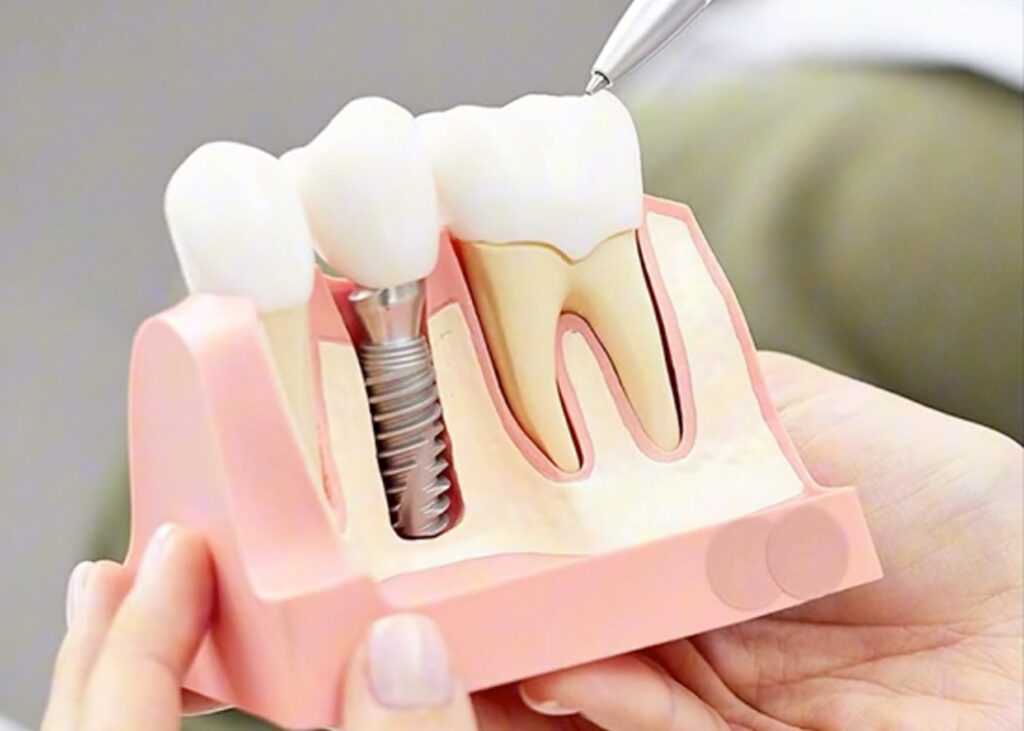
Are you considering dental implants but worried about the cost? You’re not alone. Many people dream of restoring their smile but are held back by financial concerns. In this comprehensive blog post, we’ll answer the common question “how much are dental implants?” highlighting the quality and affordability offered by North Sydney Dentistry. Whether you’re a dental patient seeking reliable information or a local resident curious about implant options, read on to discover how you can achieve a bright, confident smile without breaking the bank. Understanding Dental Implants Dental implants are a popular and effective solution for replacing missing teeth. Unlike dentures, which can be removed, implants are fixed and function like natural teeth. They offer a permanent solution that enhances your ability to chew and speak, while also improving your overall oral health. Components of Dental Implants A dental implant comprises three main parts: Implant post: A titanium screw inserted into the jawbone Abutment: A connector that holds the crown Crown: The visible part that looks like a natural tooth These components work together to provide a durable and long-lasting tooth replacement. Benefits of Dental Implants Dental implants offer several advantages, including: Improved appearance: They look and feel like your own teeth. Enhanced speech: Unlike poor-fitting dentures, implants allow you to speak clearly. Comfort: Permanent implants become part of you, eliminating discomfort. Easier eating: Implants function like natural teeth, making eating easier and more enjoyable. Durability: With proper care, implants can last a lifetime. How Much Are Dental Implants in North Sydney? One of the most common questions we receive is, “How much are dental implants?” The truth is, the cost can vary based on several factors. However, at North Sydney Dentistry, we strive to provide high-quality yet affordable dental implants. Factors Influencing the Cost Several factors can affect the dental implants cost Sydney, including: Number of implants: More implants mean higher costs. Type of implant: Different materials can impact the price. Additional procedures: Bone grafting or extractions can add to the total cost. Expertise of the dentist: Experienced professionals may charge more for their services. Understanding these factors can help you better anticipate the cost of your dental implant procedure. Average Cost in North Sydney In North Sydney, the average cost of a single dental implant can range from $6,000 to $8,000. This price typically includes the implant post, abutment, and crown. However, additional procedures or specialised treatments can increase the overall cost. Affordable Dental Implants at North Sydney Dentistry We believe that everyone deserves a beautiful smile. That’s why North Sydney Dentistry offers dental implants and CEREC for only $5,199. Our goal is to make high-quality dental care accessible to all. What’s Included in Our Package Our comprehensive package includes: Consultation and assessment: A thorough evaluation of your dental health. Implant placement: Expertly performed by our experienced dental team. CEREC crown: A custom-made crown designed using advanced CEREC technology. Post-operative care: Follow-up visits to ensure your implant is healing properly. This all-inclusive price ensures that you receive top-notch care without any hidden fees. Quality and Affordability At North Sydney Dentistry, we never compromise on quality. Our team of skilled dentists uses the latest techniques and materials to ensure your dental implants are durable and natural-looking. Our state-of-the-art CEREC technology allows us to create custom crowns in a single visit, saving you time and money. The Process of Getting Dental Implants If you’re considering dental implants, it’s essential to understand the process. Here’s a step-by-step guide to what you can expect: 1. Initial Consultation Your dental implant journey begins with an initial consultation. During this visit, our dentists will assess your oral health, discuss your goals, and determine if you’re a suitable candidate for implants. 2. Treatment Planning Once you’re deemed a suitable candidate, we’ll create a personalised treatment plan. This plan will include details about the number of implants, the type of implant, and any additional procedures you may need. 3. Implant Placement The next step is the surgical placement of the implant post. This dental implant surgery is performed under local anaesthesia to ensure your comfort. The implant post is inserted into the jawbone, where it will fuse with the bone over the next few months. 4. Healing Period After the implant post is placed, a healing period of several months is required. During this time, the implant will integrate with the jawbone, creating a stable foundation for the abutment and crown. 5. Abutment Placement Once the implant has healed, the abutment is attached to the implant post. This connector will hold the crown in place. 6. Crown Placement Finally, the custom-made CEREC crown is attached to the abutment. Your new tooth will look and function just like a natural tooth, completing your smile transformation. Why Choose North Sydney Dentistry Choosing the right dental clinic for your implants is crucial. Here are some reasons why North Sydney Dentistry is the best choice: Experienced Team Our dental team has years of experience performing dental implant procedures. We stay up-to-date with the latest advancements in implant dentistry to provide you with the best care possible. State-of-the-Art Technology We use cutting-edge technology, including CEREC, to ensure precision and efficiency. Our advanced tools and techniques allow us to create custom crowns in a single visit, reducing the time you spend in the dental chair. Patient-Centred Care At North Sydney Dentistry, your comfort and satisfaction are our top priorities. We take the time to understand your needs and tailor our services to meet them. From the initial consultation to post-operative care, we’re with you every step of the way. Taking the Next Step If you’re ready to transform your smile with dental implants, we’re here to help. Schedule a consultation with North Sydney Dentistry today and take the first step toward a brighter, more confident smile. Conclusion Dental implants Sydney are a valuable investment in your oral health and overall well-being. At North Sydney Dentistry, we offer high-quality, affordable dental implants to help you achieve the smile
Cost of Porcelain Veneers
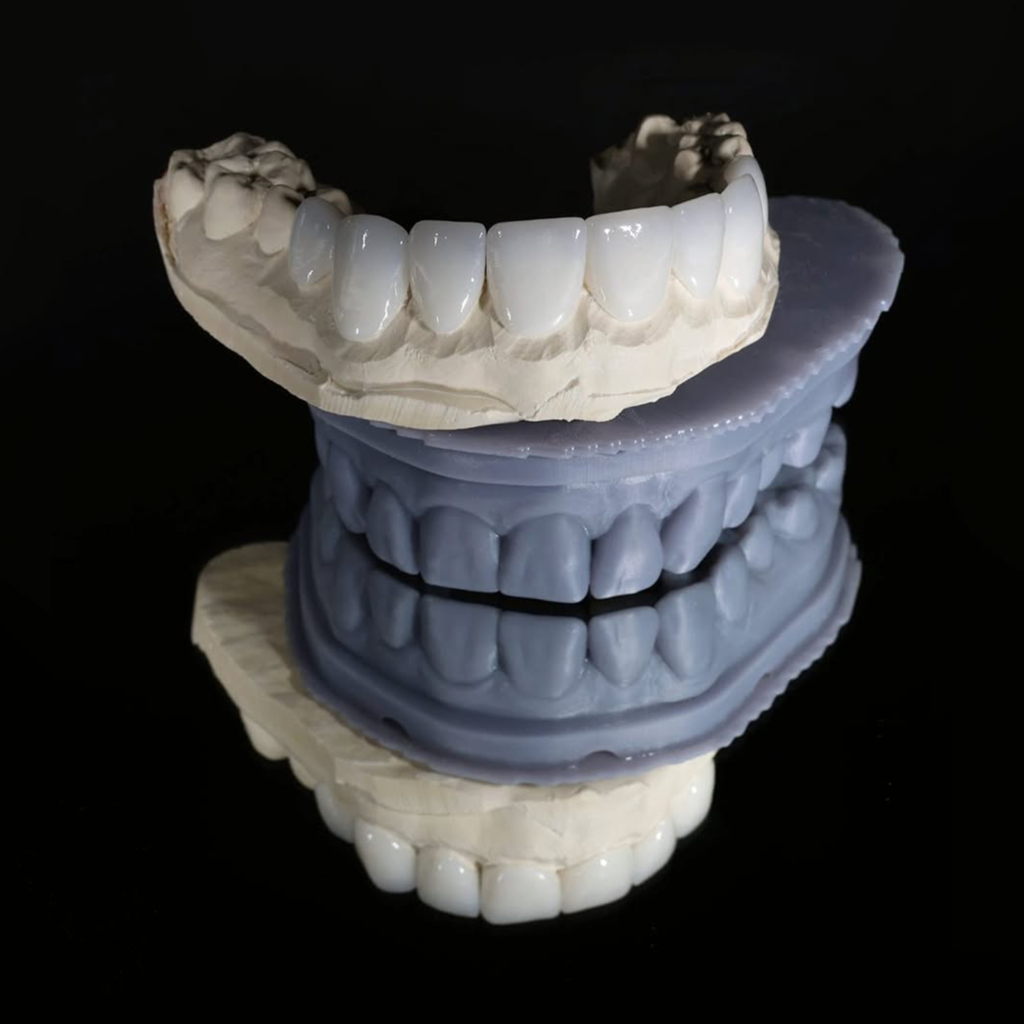
What are porcelain veneers? Porcelain veneers are thin shells of dental ceramic bonded to the front surfaces of the teeth. They are custom-made to a shape and colour agreed at planning and are used to change the appearance of teeth affected by discolouration, chips, gaps and minor irregularities in position. Veneers are a cosmetic treatment. They do not treat decay, gum disease or bite problems, and those conditions need to be addressed first. Veneers also do not move teeth: where teeth are significantly crowded or rotated, orthodontic treatment addresses the underlying position and may involve far less loss of tooth structure. Why people consider porcelain veneers Porcelain resists staining well and can be made to resemble natural tooth structure closely. Published estimates commonly put the lifespan of porcelain veneers at around 10 to 15 years, though this varies considerably with the individual, the bite, oral hygiene and habits such as grinding. Some fail earlier, and none are permanent. IMPORTANT — porcelain veneer treatment involves permanently removing a layer of enamel from the front of otherwise healthy teeth. Enamel does not grow back. Once teeth are prepared, they will require veneers or crowns for life, and those restorations will need replacing periodically. The lifetime cost is therefore considerably higher than the initial fee. Before Treatment Treatment begins with an examination. Our dentist assesses your teeth, gums and bite, takes any necessary X-rays, and discusses what you want to change and the options for achieving it, including alternatives that remove less tooth structure. Where veneers are appropriate, impressions or digital scans are taken so the veneers can be made. You should receive an explanation of the risks and a written quote before agreeing to anything. Cost of porcelain veneers in Sydney Published price guides commonly quote porcelain veneers in Sydney at around $1,500 to $2,500 per tooth. These are indicative figures drawn from published sources rather than quotes. The fee for your case depends on its complexity, the number of veneers required and the practice providing the treatment, and can only be given after examination. What affects the cost Material and laboratory work. Different ceramics and different laboratories carry different costs. Complexity of the case. More extensive changes and more difficult bites require more planning and chair time. Number of veneers. More veneers mean a higher total. Preliminary treatment. Where decay, gum disease, cleaning, whitening of the natural teeth or other work is needed first, that is charged separately. Replacement over time. Veneers need replacing periodically. This is an ongoing cost rather than a one-off fee. Health fund benefits Some private health insurance extras policies include a benefit for veneers, generally subject to waiting periods and annual limits, and some exclude purely cosmetic work. Check with your fund directly before committing. Fees and payment at North Sydney Dentistry We offer an interest-free payment plan for porcelain veneers from $57 per week. This is a repayment amount, not the total cost of treatment. Approval is subject to that provider’s eligibility criteria. View our dental veneers package here The Treatment Process Consultation and planning. Examination, discussion of options and risks, digital impressions and a written quote. A layer of enamel is removed from the front of the teeth being treated. This step is irreversible. Local anaesthetic is commonly used and temporary veneers may be fitted. The veneers are made in a dental laboratory to the agreed shape and shade. The veneers are tried in to check fit and colour, adjusted, then bonded. Colour is confirmed before bonding because it cannot be changed afterwards without remaking the veneer. What to expect afterwards Sensitivity to hot and cold is common after preparation and bonding and usually settles within a few weeks, though it can persist. Some gum tenderness while the tissues settle is also common. Risks and Limitations Porcelain veneers are elective cosmetic treatment and carry risks that should be explained to you before you proceed: irreversible enamel removal, committing the teeth to restorations permanently tooth sensitivity, usually temporary but sometimes persistent gum irritation, and recession over time exposing the veneer margin chipping, cracking or debonding, generally requiring replacement rather than repair the possibility that a prepared tooth requires root canal treatment or extraction colour that cannot be altered once made and may not match natural teeth as they age a finite lifespan requiring periodic replacement Veneers are generally not appropriate where there is active decay or gum disease, insufficient enamel, significant grinding, or a bite that would place excessive force on them. Results vary between individuals and no outcome can be guaranteed. About North Sydney Dentistry Our dentists provide porcelain veneers as part of general dental practice. All are registered with the Dental Board of Australia and their registration and qualifications can be checked on the Ahpra public register. At your consultation we examine your teeth and gums, explain the options including those that remove less tooth structure, set out the risks and provide a written quote covering exactly what is included. Where veneers are not appropriate for your case, we will tell you. To find out whether porcelain veneers are suitable for you and what they would cost in your case, contact us to arrange a consultation.