No, you can’t safely remove tartar at home. Once plaque hardens into tartar, it bonds firmly to your teeth and needs professional tartar removal with a scaler during a scale and clean. What you can do at home is stop new tartar forming by removing plaque every day before it has a chance to harden.
A clean is a routine part of what a dental check-up involves. Below we explain the difference between plaque and tartar, why popular home remedies are a bad idea, and how to keep build-up under control between visits.
Plaque vs tartar: what’s the difference?
Plaque is a soft, sticky film of bacteria that forms on your teeth constantly. It feeds on sugars and produces acids that can cause decay, and it irritates the gums. Because it’s soft, you can remove it with a toothbrush, floss or interdental brushes.
Tartar, also called calculus, is plaque that has hardened as minerals from your saliva build up in it. This can start within a few days if plaque is left in place. Tartar is rough and porous, so more plaque sticks to it, and it can’t be brushed or flossed off.
Where tartar tends to build up
- behind the lower front teeth, close to where saliva glands open
- along the gumline, especially on the outer surfaces of the upper back teeth
- between teeth and around crowded or overlapping teeth
- around braces, bridges and the edges of old fillings
- below the gumline, where you can’t see it
Tartar above the gum often looks yellow, brown or cream-coloured and can stain easily with coffee, tea, red wine and smoking. Tartar below the gumline is often darker and is linked with gum inflammation and gum disease.
Why tartar is worth removing
Tartar isn’t only a cosmetic issue. It holds bacteria against your gums, which can lead to:
- red, swollen gums that bleed when you brush (gingivitis)
- gum disease (periodontitis), where the bone supporting the teeth is gradually lost
- bad breath that doesn’t improve with brushing
- gum recession and, over time, loose teeth
Gingivitis can often be reversed once tartar is removed and home care improves. Bone lost to periodontitis usually doesn’t grow back, so early treatment matters.
Can you get rid of tartar at home?
You’ll find plenty of DIY tartar removal tips online. They aren’t recommended, and some can do lasting harm.
Baking soda
Baking soda is mildly abrasive and may lift some surface stain, but it won’t dissolve hardened tartar. Scrubbing hard with it can wear enamel and irritate gums, and it doesn’t contain the fluoride your teeth need.
Vinegar, lemon juice and other acids
Acids don’t soften tartar enough to help, but they do soften enamel. Rinsing or brushing with vinegar or lemon juice can cause dental erosion, which leads to sensitivity and thinner, weaker teeth. Enamel doesn’t grow back.
Scrapers, picks and home scaling kits
Metal scalers sold online may look like the tools we use, but using them on yourself is risky. Without training, good lighting and a clear view, it’s easy to scratch enamel, cut or tear the gums, and push tartar further under the gumline, where it can cause infection. Home ultrasonic devices carry similar risks.
Charcoal and whitening powders
Charcoal products are abrasive and aren’t proven to remove tartar. Over time they may wear enamel and make teeth look more yellow.
How to prevent tartar build-up
The key is to remove plaque every day, before it hardens. These habits can make a real difference:
- Brush twice a day for two minutes with a soft brush and fluoride toothpaste. Angle the bristles towards the gumline and use gentle circles. An electric toothbrush can help some people clean more thoroughly.
- Clean between your teeth once a day with floss or interdental brushes. Tartar often forms where a toothbrush can’t reach.
- Consider a tartar-control toothpaste. Many contain ingredients that can slow new tartar forming, though they won’t remove what’s already there. Choose one with fluoride.
- Spit, don’t rinse, after brushing so the fluoride stays on your teeth.
- Limit sugary snacks and drinks and drink tap water through the day.
- Avoid smoking and vaping, which are linked with more tartar, staining and gum disease.
- Keep up regular cleans so any build-up is removed before it causes problems.
Some people build up tartar faster than others, even with good habits, because of their saliva, medications or tooth position. If that’s you, your dentist may suggest more frequent cleans. This is part of preventive dentistry.
Professional tartar removal: what to expect
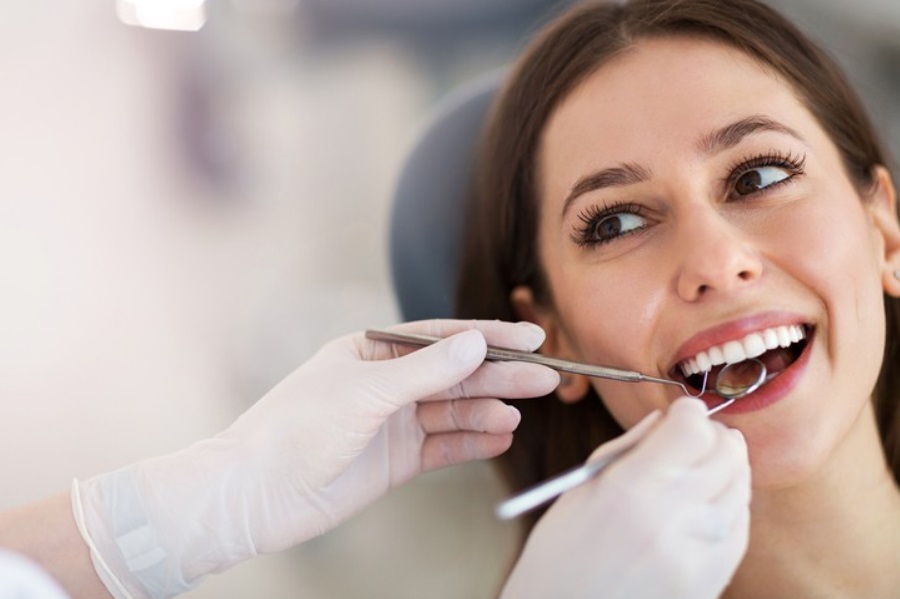
During a scale and clean, your dentist or oral health therapist removes tartar using an ultrasonic scaler, which uses gentle vibrations and a water spray, along with fine hand instruments. They clean above and just below the gumline, then polish your teeth to remove surface stain and plaque.
You may feel vibration, scraping and some brief sensitivity, particularly if there is a lot of tartar or your gums are inflamed. Tell us if you’re uncomfortable, as we can adjust how we work or take breaks. If tartar extends well below the gums, your dentist may recommend a deeper clean over more than one appointment.
Your gums may feel tender or bleed a little for a day or two. Keep brushing and cleaning between your teeth gently, as this helps them settle. Learn more about teeth cleaning in North Sydney, or see our new patient specials if you haven’t visited our North Sydney practice before.
Frequently asked questions
Can tartar come off on its own?
No. Once plaque has hardened into tartar, it stays attached to the tooth and won’t come away with brushing, flossing or mouthwash. It needs to be removed by a dentist or oral health therapist.
Does tartar-control toothpaste remove tartar?
Tartar-control toothpaste can help slow new tartar forming, but it won’t remove tartar that is already there. Choose one that also contains fluoride.
Is it safe to use a dental scraper at home?
It isn’t recommended. Home scrapers can scratch enamel, injure your gums and push tartar under the gumline, which may lead to infection.
How often should I have tartar removed?
Many people have a scale and clean every 6 to 12 months. If you build up tartar quickly or have gum disease, your dentist may recommend more frequent visits.
Book your check-up
North Sydney Dentistry is at Level 1, Suite 102/71 Walker St, North Sydney, a two-minute walk from North Sydney station. We’re open Monday to Friday, 9am to 6pm. Call (02) 8090 1108 or book online.
This article is general information only and is not a substitute for advice from your own dentist or doctor. Any surgical or invasive procedure carries risks. Before proceeding, you should seek a second opinion from an appropriately qualified health practitioner.